“打我有记忆起,妈妈就是个中年妇女的样子。所以我总忘记,妈妈曾经也是个花季少女。”
English translation:“For as long as I can remember, Mom has always looked like a middle-aged woman. That’s why I keep forgetting that she was once a young girl in the bloom of youth.”
贾晓玲(Jia Xiaoling)
——中国电影《你好,李焕英》(Chinese Film: Hi, Mom)
电影上映时间(Film release dates)2021年2月12日(中国内地)
这句话出现在影片的开头部分,是贾晓玲在母亲李焕英遭遇车祸后,穿越回1981年之前的一段内心独白。作为整部电影的情感基石,这句话奠定了全片“穿越时空去爱妈妈”的叙事基调。贾晓玲一直觉得自己“没让妈妈高兴过”,但在穿越回妈妈年轻的时代后,她才发现:她所认识的“妈妈”,曾经也是一个会害羞、会打架、会偷偷看帅气男生的少女。而这句话正是她对这种认知落差的坦诚——作为女儿,她只看见了母亲后半生的辛劳,却从未真正了解过母亲前半生的灿烂。
This line appears at the beginning of the film as an inner monologue by Jia Xiaoling before she travels back in time to 1981, following her mother Li Huanying’s car accident. As the emotional cornerstone of the entire film, this line sets the narrative tone of “traveling through time to love her mother.” Jia Xiaoling had always felt that she “had never made her mother happy,” but after traveling back to the time when her mother was young, she discovered that the “mother” she knew had once been a shy, feisty teenager who would sneak glances at handsome boys. This line is her candid admission of this disparity in perception—as a daughter, she had only seen her mother’s hard work in the latter half of her life, but had never truly understood the brilliance of her mother’s earlier years.
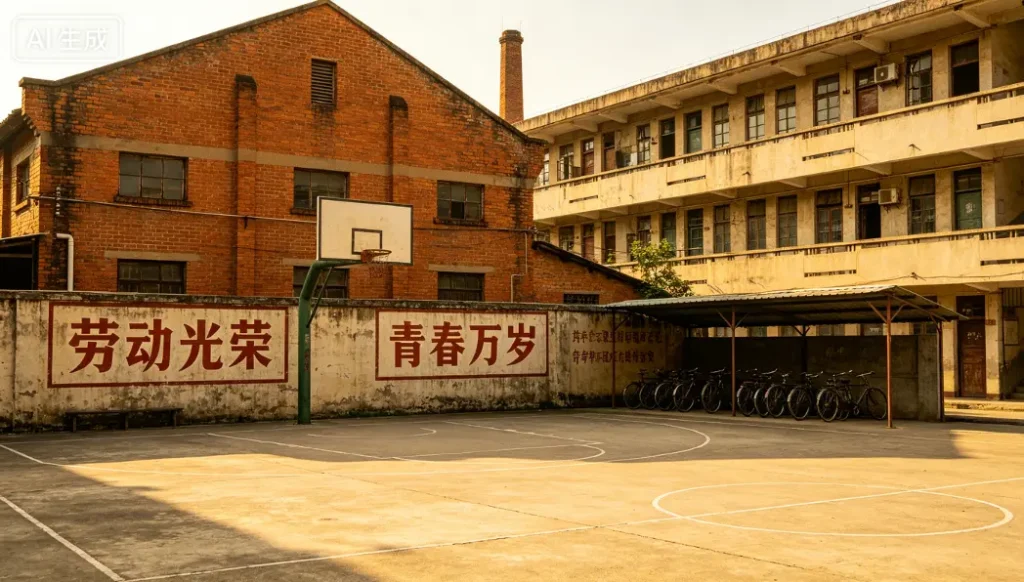
在我们的成长记忆中,母亲似乎“天生就是母亲”——她洗衣做饭、唠叨管束、永远在操心,仿佛她的生命就是从“成为妈妈”那一刻才开始的。但贾玲用一句话撕开了这个幻觉:每一个妈妈,都曾是一个有梦想、有棱角、有爱情的女孩。她们不是生来就是中年妇女,她们也曾在操场上奔跑、在日记本上写诗、为一件漂亮裙子攒很久的钱。而我们作为子女,往往只看到了“妈妈”这个角色,却忘记了“她”本身。
我们总是太晚才开始了解父母。贾晓玲穿越回1981年,亲眼目睹了李焕英打排球、谈恋爱、和闺蜜说悄悄话的样子,她才第一次把“妈妈”还原成一个“人”。而这种“还原”之所以珍贵,正是因为在现实中它几乎不可能发生——我们永远无法亲眼看见父母年轻时的样子,我们只能通过老照片和别人的讲述去拼凑那个已经消失的少女。贾玲用电影完成了一次“不可能的陪伴”——她回到过去,陪妈妈走完了那段她没有参与过的青春,并在这个过程中,真正理解了母亲的一生。
对父母的理解,不应该只停留于“他们为我做了什么”,还应该包含“他们曾经是谁”。当我们把父母仅仅视为“养育者”时,我们很容易忽略他们作为独立个体的欲望、遗憾与光芒。李焕英在电影中说:“我这一辈子过得很幸福,你怎么就不信呢?”——这句话里藏着一个母亲全部的骄傲与温柔:她的幸福,不是因为嫁给了什么样的人、过上了什么样的生活,而是因为她成为了贾晓玲的妈妈。而贾晓玲的穿越,最终让她读懂了这份“幸福”背后的重量。
在当代社会,“原生家庭”常常被当作解释一切问题的归因,而《你好,李焕英》却用这句话和整部电影,提供了一种更温柔的视角——不是去“分析”母亲,而是去“看见”母亲;不是去追问“你为什么这样对我”,而是去想象“你在成为我的妈妈之前,是怎样活着的”。当我们能看见母亲曾经是少女,我们才能真正理解她为何成为现在的她;当我们能理解她的人生全貌,我们才有可能和解,不只是与她,更是与那个一直觉得自己“不够好”的自己。
In our childhood memories, mothers seem to have “been born to be mothers”—they do the laundry and cook, nag and discipline, and are always worrying, as if their lives only began the moment they “became mothers.” But Jia Ling shattered this illusion with a single sentence: Every mother was once a girl with dreams, a unique personality, and a heart full of love. They weren’t born as middle-aged women; they, too, once ran on the playground, wrote poetry in their diaries, and saved up for a long time to buy a pretty dress. Yet as children, we often see only the role of “Mom” and forget the person “she” truly is.
We always start to understand our parents too late. When Jia Xiaoling traveled back to 1981 and witnessed Li Huanying playing volleyball, falling in love, and whispering secrets with her best friend, she was able to see “Mom” as a “person” for the very first time. And the reason this “restoration” is so precious is precisely because it’s almost impossible in reality—we can never see our parents in their youth with our own eyes; we can only piece together the image of that long-gone young woman through old photographs and others’ stories. Through this film, Jia Ling achieved an “impossible companionship”—she traveled back in time to accompany her mother through the youth she had never been a part of, and in the process, truly came to understand her mother’s entire life.
Our understanding of our parents shouldn’t stop at “what they’ve done for me”; it should also encompass “who they once were.” When we view our parents merely as “caregivers,” we easily overlook their desires, regrets, and radiance as independent individuals. In the film, Li Huanying says, “I’ve lived a very happy life—why won’t you believe me?”— —This line encapsulates all of a mother’s pride and tenderness: her happiness didn’t stem from whom she married or what kind of life she led, but from the fact that she became Jia Xiaoling’s mother. And Jia Xiaoling’s journey through time ultimately allowed her to grasp the weight behind that “happiness.”
In contemporary society, the “family of origin” is often treated as the root cause of all problems, yet Hello, Li Huanying—through this line and the entire film—offers a gentler perspective: not to “analyze” a mother, but to “see” her; not to ask, “Why did you treat me this way?” but to imagine, “How did you live before you became my mother?” Only when we can see that our mother was once a young girl can we truly understand why she became who she is today; only when we can grasp the full picture of her life can we find reconciliation—not just with her, but also with that part of ourselves that has always felt “not good enough.”
What do you think?