「立ち止まって迷っていても、時間は止まってはくれない。君のそばに留まって、一緒に嘆いてくれることなんてないんだ。」
中文译文:即使停下脚步,徘徊不前,时间也不会停止流逝,它才不会驻留在你身旁,陪着你一起呼天抢地。
English translation: Even if you stop and hesitate, time won’t stop for you. It won’t stay by your side or grieve with you.富冈义勇(冨岡義勇)
——日本动画《鬼灭之刃》(日文片名:鬼滅の刃)
动画播出时间(Anime release dates)2019年4月6日(日本首播,该台词出现在“柱合会议”篇或相关剧集中)
这句话出现在《鬼灭之刃》的中段剧情中,是富冈义勇在对陷入迷茫的炭治郎或其他后辈说出的冷酷却真实的话。《鬼灭之刃》讲述了少年炭治郎在家人被鬼杀害、妹妹祢豆子变成鬼后,加入“鬼杀队”踏上斩杀恶鬼、寻找让妹妹变回人类方法的旅程。整部作品充满了失去、悲伤和无数“停下来就会死”的绝境。富冈义勇是一个表面冷漠、内心背负着巨大伤痛的水柱,他之所以说出这句话,是因为他太清楚“停下脚步”的代价——他曾因自己的犹豫而失去了重要的人,他不想让炭治郎重蹈覆辙。这句话不是安慰,而是提醒:时间不会因为你在哭就等你,也不会因为你还没准备好就停下来。你可以呼天抢地,但它会头也不回地往前流走。 这不是残酷,而是一种把“行动的必要性”从“情感”中剥离出来的诚实。
This line appears in the middle of the Demon Slayer storyline; it is a harsh yet truthful remark made by Giyu Tomioka to Tanjiro—or other younger members—when they are feeling lost. Demon Slayer tells the story of a young boy named Tanjiro who, after his family is killed by demons and his younger sister Nezuko is turned into a demon, joins the “Demon Slayer Corps” and embarks on a journey to slay evil demons and find a way to restore his sister to human form. The entire series is filled with loss, grief, and countless desperate situations where “stopping means death.” Giyu Tomioka, the Water Pillars, appears cold on the surface but carries immense inner pain. He utters these words because he knows all too well the cost of “stopping”—he once lost someone dear to him due to his own hesitation, and he doesn’t want Tanjiro to repeat that mistake. This statement is not a comfort, but a reminder: time won’t wait for you just because you’re crying, nor will it stop just because you’re not ready. You can wail and scream, but it will flow onward without looking back. This isn’t cruelty; it’s an honesty that separates the “necessity of action” from “emotion.”
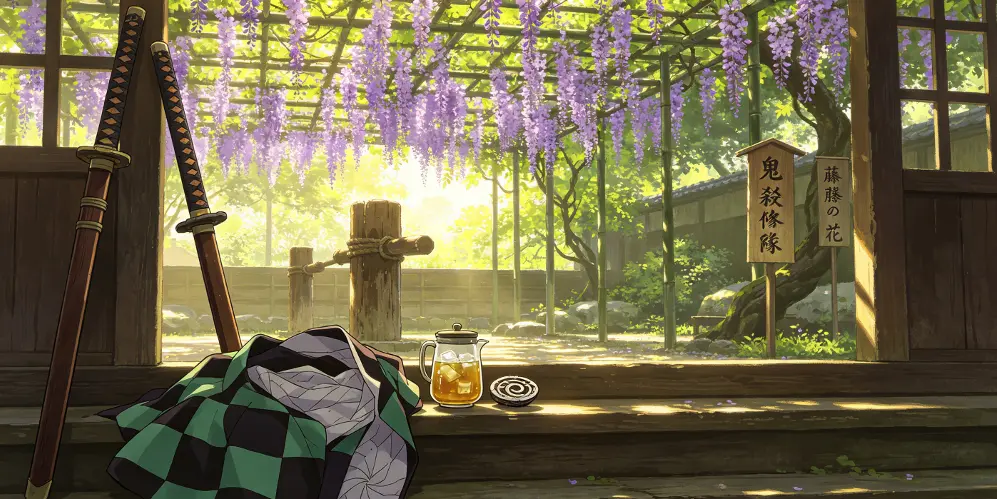
我们通常会把时间描述得温柔一些——“时间会治愈一切”“时间会带走痛苦”——仿佛时间是一个有同情心的陪伴者。但富冈义勇却说:不会。时间不会陪你哭,不会等你准备好,不会在你停下来的时候绕着你转。 它就是一直往前流,你停下,它就离你更远;你徘徊,它就在你身后拉出一条更长无法追回的线。这种对时间的“祛魅”是必要的,因为它把我们从“我可以先缓一缓”的幻觉里拽了出来。在《鬼灭之刃》的世界里,停下就意味着死——不仅是自己的死,还有你原本可以保护的人的死。时间不等你,就是最直接的“战斗理由”。
徘徊不是休息——休息是有意识的选择,而徘徊是被情绪困住、无法做出选择的悬浮状态。富冈义勇指出的正是这种“悬浮”的成本:你在原地打转的时候,世界依然在前进,你的敌人依然在行动,你爱的人依然在危险里。 你的徘徊不会让任何人因此安全,也不会让任何事因此变好——你只是在消耗自己,同时也在消耗别人对你的等待。他并非在否定悲伤或否定需要时间消化痛苦,而是在划定一条界限:你可以悲伤,但不能让悲伤成为你停在原地的理由。时间不会因为你悲伤就变得仁慈,它只会一如既往地向前,把你留在后面。
我们都有过那样的时刻——失恋后不想动、失败后不想再试、被打击后只想原地躺下。我们对自己说“我需要时间”,然后时间真的就过去了。但富冈义勇提醒我们:时间过去了,不等于你过去了;你停下来的时候,时间并没有停下来等你。 你可以给自己留出喘息的空间,但要清楚那个空间的边界在哪里——过了那条线,你就不是在“疗伤”,而是在“被落下”。而更残酷的是,当你回头看时,你可能发现那些和你同时出发的人,已经走远到你再也追不上了。
富冈义勇之所以说这句话,是因为他在乎——他不想看到炭治郎在痛苦中继续失去更多。他的冷酷是一种被包裹起来的关心:告诉你时间不会等你,是希望你不再浪费更多时间去后悔已经浪费的时间。 在最需要行动的时候,最奢侈的事情就是站在原地呼天抢地——因为等你抬起头来,你可能已经失去了原本可以保护的一切。
We usually describe time in gentler terms—“Time heals all wounds,” “Time takes away the pain”—as if time were a compassionate companion. But Giyu Tomioka says: No. Time won’t cry with you, won’t wait for you to be ready, and won’t circle around you when you stop. It just keeps flowing forward; if you stop, it drifts further away from you; if you linger, it leaves a longer, irretrievable trail behind you. This “disenchantment” of time is necessary because it yanks us out of the illusion that “I can take a breather first.” In the world of Demon Slayer, stopping means death—not just your own, but also the death of those you could have protected. Time won’t wait for you—that is the most direct “reason to fight.”
Hesitation is not rest—rest is a conscious choice, while hesitation is a state of limbo where you’re trapped by your emotions and unable to make a decision. Giyu Tomioka points out precisely the cost of this “limbo”: while you’re spinning your wheels, the world keeps moving forward, your enemies keep advancing, and the people you love remain in danger. Your hesitation won’t keep anyone safe, nor will it make anything better—you’re only wearing yourself down, while also draining the patience of those waiting for you. He isn’t denying grief or the need for time to process pain; rather, he’s drawing a line: you can grieve, but you can’t let grief be your excuse to stay stuck. Time won’t become merciful just because you’re grieving; it will simply keep moving forward as always, leaving you behind.
We’ve all had moments like that—after a breakup, not wanting to move; after a failure, not wanting to try again; after a setback, just wanting to lie there. We tell ourselves, “I need time,” and then time really does pass. But Gokou Yoshiyuki reminds us: just because time has passed doesn’t mean you’ve moved on; when you stop, time doesn’t stop to wait for you. You can give yourself some breathing room, but you must be clear about where the boundaries of that space lie—once you cross that line, you’re no longer “healing,” but “falling behind.” And what’s even crueller is that when you look back, you may find that those who set out at the same time as you have already gone so far ahead that you can never catch up.
The reason Giyu Tomioka said this is because he cares—he doesn’t want to see Tanjiro lose even more while he’s suffering. His coldness is a form of care wrapped in harsh words: by telling you that time won’t wait for you, he hopes you’ll stop wasting any more time regretting the time you’ve already wasted. When action is most needed, the greatest luxury is to stand still and wail to the heavens—because by the time you look up again, you may have already lost everything you could have protected.
What do you think?