“其实,人生就是一场游戏,游戏就是一场人生。只不过这场游戏你想玩也得玩,不想玩也得玩。”
English translation: Actually, life is a game, and a game is a life. The only difference is that with this game, you have to play whether you want to or not.
洛洛(Robo)
——中国动画《洛洛历险记》(Chinese Animation: Robo Warriors)
动画播出时间(Anime release dates)2009年
这句话出现在动画的开头和结尾,作为贯穿全片的核心主旨。洛洛是一个沉迷于机战游戏的少年,某天被意外吸入了虚拟世界“机兽世界”,成为机车族的领袖,带领机车族与猛兽族展开了一场又一场的战斗。在这个过程中,他经历了真正的友情、牺牲与成长,从一个只顾打游戏的普通少年,变成了一个学会承担责任、珍惜伙伴的领导者。当他终于回到现实世界时,他回望那段经历,说出了这句话——他不再把游戏当作逃避现实的娱乐,而是意识到:无论你是否把它当作游戏,你所经历的每一场战斗、每一次选择,都在真实地塑造着你。 你可以把人生当成游戏来玩,但你不能把它当成“不是真的”来对待——因为你在其中付出的情感、承受的代价、建立的羁绊,全部都是真的。
This line appears at the beginning and end of the anime, serving as its central theme throughout the series. Lolo is a teenager obsessed with mecha battle games. One day, he is accidentally sucked into the virtual world known as “Mecha Beast World,” where he becomes the leader of the Mecha Clan and leads them into battle after battle against the Beast Clan. Through these experiences, he discovers true friendship, sacrifice, and personal growth, transforming from an ordinary teenager preoccupied with gaming into a leader who learns to take responsibility and cherish his companions. When he finally returns to the real world, he looks back on that experience and utters these words—he no longer views the game as an escape from reality, but realizes that whether or not you treat it as a game, every battle you fight and every choice you make truly shapes who you are. You can treat life like a game, but you can’t treat it as “not real”—because the emotions you invest, the sacrifices you make, and the bonds you form are all very real.
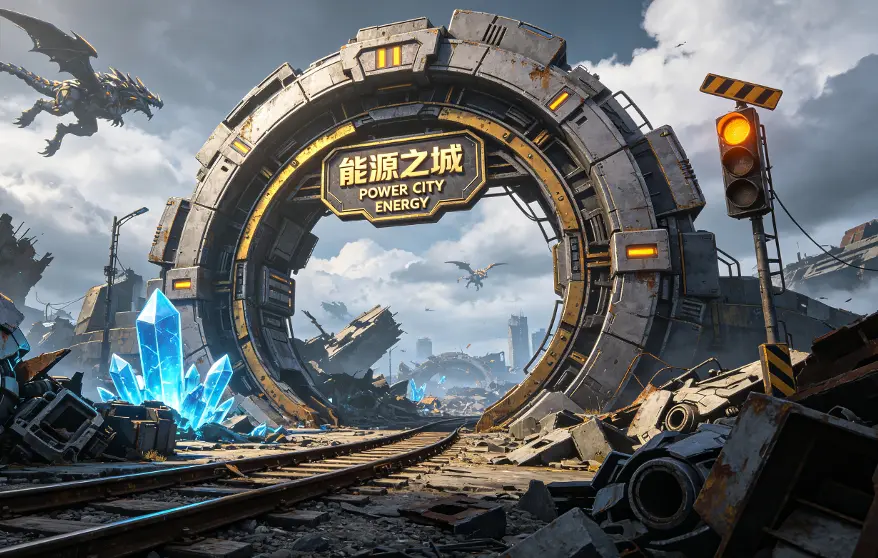
我们常把“游戏人生”当作一种贬义——意味着不认真、不负责、把一切都当作儿戏。但《洛洛历险记》却提出了一个相反的视角:人生确实像一场游戏——有规则、有对手、有输赢、有隐藏关卡——但正因为像游戏,它才值得你用尽全力去通关。 洛洛在机兽世界里经历了无数次生死战斗,他可以选择躺平、可以选择逃跑、可以选择不承担任何责任,但他没有。他把这场“不想玩也得玩”的游戏,玩成了自己真正想玩的样子。
洛洛说“你想玩也得玩,不想玩也得玩”——听起来像是一种宿命的束缚,但他用整部动画证明了一个相反的道理:你无法选择是否进入这场游戏,但你可以选择怎么玩它。 是被动地等死,还是主动地战斗;是做一个自私的玩家,还是做一个保护队友的领袖;是只关注通关结果,还是珍惜途中遇到的每一个人——这些都是在“不能选择不玩”的前提下,依然属于你的选择空间。洛洛从一个“不想玩”的人,变成了一个“决定好好玩”的人,这个过程就是整部动画的核心。
我们常常觉得生活不是自己选的——工作不是自己选的、家庭不是自己选的、困境不是自己选的——于是我们把自己定位成“被动的受害者”。但洛洛告诉我们:你无法选择是否来到这个世界,但你可以选择用什么样的姿态在世界上行走。 把人生当作一场游戏,并不是轻浮,而是一种主动——因为你一旦接受它是游戏,你就接受了它有规则、有策略、有可以通关的方法。
We often view “treating life like a game” as a pejorative term—implying a lack of seriousness or responsibility, or treating everything as a joke. But Lolo’s Adventures offers a contrasting perspective: life is indeed like a game—with rules, opponents, winners and losers, and hidden levels—but precisely because it’s like a game, it’s worth giving it your all to complete. Lolo has faced countless life-and-death battles in the world of the Mecha Beasts. He could have chosen to give up, to run away, or to shirk all responsibility—but he didn’t. He took this game—one he “had to play whether he wanted to or not”—and turned it into exactly the kind of game he truly wanted to play.
Lolo says, “You have to play whether you want to or not”—which sounds like a fatalistic constraint, but throughout the entire series, he proves the opposite: you can’t choose whether to enter this game, but you can choose how to play it. Whether to passively wait for death or actively fight; whether to be a selfish player or a leader who protects teammates; whether to focus only on clearing the level or to cherish every person encountered along the way—these are all choices that remain yours, even under the premise that “you can’t choose not to play.” Lolo’s transformation from someone who “didn’t want to play” into someone who “decided to play well” is the very core of this animated film.
We often feel that life isn’t something we’ve chosen—our jobs aren’t our choice, our families aren’t our choice, our hardships aren’t our choice—and so we cast ourselves as “passive victims.” But Lolo tells us: You can’t choose whether to come into this world, but you can choose the attitude with which you walk through it. Treating life as a game isn’t frivolous; it’s a form of proactivity—because once you accept that it’s a game, you accept that it has rules, strategies, and ways to succeed.
What do you think?