“一座城市不会老,因为每天都有人奔向灿烂的青春。”
English translation:“A city never grows old, because every day people rush toward the radiance of youth.”影片旁白
——中国电影《长恨歌》(Chinese Film: Everlasting Regret)
电影上映时间(Film release dates)2005年9月29日(中国香港)
这句话出现在影片结尾的片尾字幕中,作为对王琦瑶一生和上海这座城市命运的点睛之笔。王琦瑶的一生跨越了从民国到改革开放的数十年时光,她曾是风光的“上海小姐”,做过权贵的外室,也曾在弄堂里自食其力地生活。影片讲述了她与四个男人之间的爱恨纠缠,身边的人都一个个离去,只有她始终守在上海,直到生命的终点。这句旁白是整部影片落幕前对观众的最后一句交代,用一座城市的永恒流转,对照一个个体生命的短暂与消逝。
This line appears as the closing subtitle at the very end of the film, serving as the final reflection on Wang Qiyao’s life and the city of Shanghai. Wang Qiyao’s life spanned from the Republican era through the Reform and Opening-up period. She was once the glamorous “Miss Shanghai,” became the mistress of a powerful official, and later lived a self-reliant life in the lanes of Shanghai. The film tells the story of her love and entanglements with four men, all of whom gradually left her or passed away, while she alone remained in Shanghai until the very end. This line acts as the final word to the audience as the film concludes—contrasting the eternal flow of a city against the brevity and disappearance of an individual life.
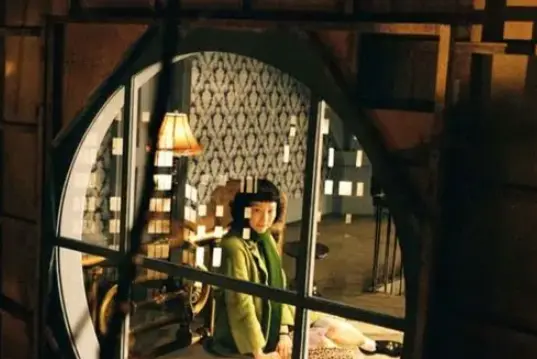
王琦瑶的一生是一曲“长恨歌”,她的青春、爱情、希望都在上海这座城市里升起又坠落,最终归于尘土。但就在她的生命戛然而止的同时,这座城市依旧车水马龙,依旧有新的年轻人涌进来,在新的时代里奔向属于他们的灿烂青春。城市不老,是因为它不断接收新的生命能量;个人易老,是因为每个人都只是这座城市漫长时光中的一个过客。
王琦瑶之所以至死不愿离开上海,是因为这座城市保存了她一生的记忆——她曾在爱丽丝公寓里等待李主任,也曾在平安里的阁楼上与康明逊度过短暂温暖的日子,更曾在暮年试图抓住老克腊来重温旧梦。上海对她而言,不仅仅是一个地理坐标,更是她所有爱恨的物质载体。但电影最后用这句话告诉我们:城市记得每一个人,却不会为任何一个人停留。 每一天都有新的青春涌入,那些旧的记忆被覆盖、被冲刷,但不曾消失,它们化为城市的底色,成为新一代人“奔向灿烂青春”时脚下的土壤。
原著小说,王安忆在《长恨歌》中曾写道:“王琦瑶是典型的上海弄堂的女儿”。她一生都在与时间和时代博弈——年轻时用美貌换取繁华,中年时用隐忍换取生存,晚年时试图用怀旧换取陪伴。但无论是李主任、康明逊还是老克腊,都无法真正将她从时代的流沙中打捞上来。那句“一座城市不会老,因为每天都有人奔向灿烂的青春”,既是对上海这个“永葆青春”的都市的赞美,也是对王琦瑶这类“被时间抛下”的女性的悲悯。她们被城市塑造,却无法与城市一同永生。
上海如此,北京、纽约、东京亦如此。城市靠一代又一代年轻人的梦想与肉身喂养,永远保持着新鲜的血液和心跳。而每一个“奔向灿烂青春”的人,最终都会像王琦瑶一样,成为这座城市史书上一个无声的注脚。但这并不意味着虚妄——正因为城市不会老,每一代人的青春才得以被接续、被铭记;而正因为个人终将老去,每一次“奔向”才显得那么珍贵,那么义无反顾。
Wang Qiyao’s life was a “Song of Everlasting Sorrow”; her youth, love, and hopes all rose and fell within the city of Shanghai, ultimately returning to dust. Yet even as her life came to an abrupt end, the city remained bustling with traffic, and new young people continued to pour in, rushing toward their own radiant youth in a new era. The city never ages because it constantly absorbs new vitality; Individuals grow old because each of us is merely a passing traveler in the city’s endless flow of time.
The reason Wang Qiyao refused to leave Shanghai even in death was that this city held all the memories of her life—she had once waited for Director Li at Alice Apartments, spent brief, warm days with Kang Mingxun in the attic in Ping’anli, and in her twilight years, tried to hold on to Old Kela to relive old dreams. For her, Shanghai was not merely a geographical location, but the very embodiment of all her loves and hates. Yet the film concludes with this message: the city remembers everyone, but it never pauses for anyone. Every day, a new wave of youth surges in; those old memories are overlaid and washed away, yet they never vanish. They become the city’s underlying hue, the very soil beneath the feet of the new generation as they “rush toward a brilliant youth.”
In the original novel, The Song of Everlasting Sorrow, Wang Anyi wrote: “Wang Qiyao is the quintessential daughter of a Shanghai alleyway.” She spent her entire life grappling with time and the times—in her youth, trading her beauty for glamour; in middle age, trading forbearance for survival; and in her later years, attempting to trade nostalgia for companionship. But neither Director Li, Kang Mingxun, nor Old Kela could truly rescue her from the shifting sands of time. The line, “A city never grows old, because every day people rush toward a radiant youth,” is both a tribute to Shanghai—this “eternally youthful” metropolis—and an expression of compassion for women like Wang Qiyao, who have been “left behind by time.” They are shaped by the city, yet cannot live on forever alongside it.
This is true of Shanghai, and it is true of Beijing, New York, and Tokyo as well. Cities are nourished by the dreams and lives of generation after generation of young people, forever maintaining fresh blood and a beating heart. And every person “rushing toward a radiant youth” will eventually, like Wang Qiyao, become a silent footnote in the city’s history. But this does not mean it is in vain—precisely because the city never ages, the youth of each generation can be carried forward and remembered; and precisely because individuals will eventually grow old, every “rush” toward that youth becomes all the more precious and unwavering.
What do you think?