「悟りとは、暗闇の荒野に進むべき光明の道を切り開くことだ。」
中文译文:所谓觉悟,就是在漆黑的荒野上开辟出一条理当前进的光明大道。
English translation: Enlightenment is the act of clearing a path of light through the dark wilderness.
乔鲁诺·乔巴纳(Giorno Giovanna)
——日本动漫《JOJO的奇妙冒险:黄金之风》(日文片名:ジョジョの奇妙な冒険 黄金の風)
动漫播出时间(Anime release dates)2018年10月5日(日本首播)
这句话出现在《黄金之风》的高潮段落,是乔鲁诺在与老板迪亚波罗的最终决战前,对自己和同伴们所说的一段话。《JOJO的奇妙冒险》系列以“替身”战斗和“人类赞歌”为主题,每一代主角都在极端绝境中以意志突破不可能。乔鲁诺·乔巴纳是DIO的儿子,却继承了乔斯达家族的黄金精神,他的替身“黄金体验”拥有“赋予无生命之物以生命”的能力——这本身就是一个隐喻:在最无可能的地方,创造出新的可能。 乔鲁诺说出这句话时,他们正面对一个几乎无法战胜的敌人——老板的替身“绯红之王”可以预知并删除时间,让一切行动都变得徒劳。在所有人都感到绝望的瞬间,乔鲁诺用这句话定义了“觉悟”的本质:它不是在已知安全的情况下做出选择,而是在没有任何方向可循的黑暗中,用你自己的意志开出一条路来。他不是在描述一个已经存在的路,而是在宣布:路不是被找到的,路是被开出来的。
This line appears in the climactic scene of Golden Wind, spoken by Giorno to himself and his companions before his final showdown with his boss, Diavolo. The JoJo’s Bizarre Adventure series revolves around “Stand” battles and the “Ode to Humanity,” with each generation of protagonists overcoming the impossible through sheer willpower in the face of extreme adversity. Jolyne Chopper is DIO’s son, yet she has inherited the golden spirit of the Joestar family. Her Stand, “Golden Experience,” possesses the ability to “breathe life into inanimate objects”—which is itself a metaphor: creating new possibilities where none seem to exist. When Giorno uttered these words, they were facing a nearly unbeatable enemy—the Boss’s Stand, “Red King,” which could foresee and erase time, rendering every action futile. At the very moment when everyone felt despair, Giorno used these words to define the essence of “resolve”: it is not about making choices when safety is assured, but about carving out a path with your own will in the darkness where there is no direction to follow. He was not describing a path that already existed; rather, he was declaring: a path is not found—it is forged.
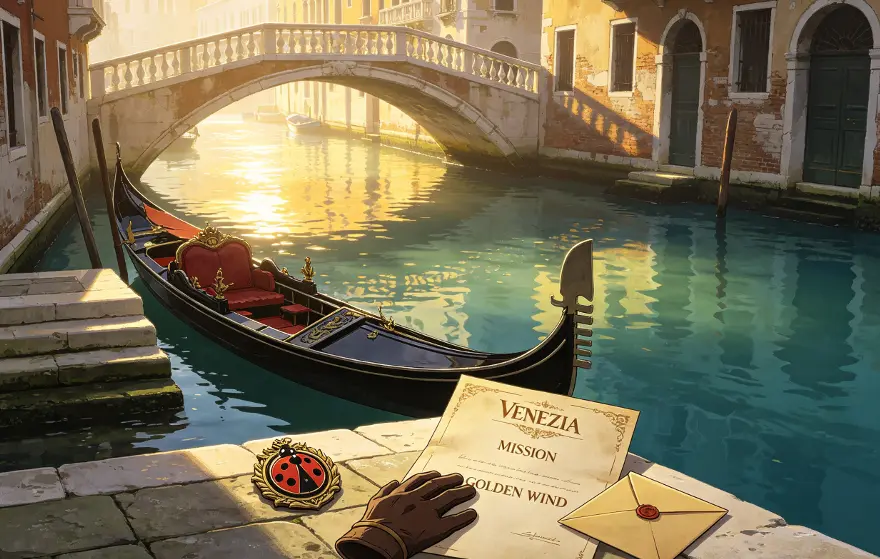
我们通常把觉悟理解为“想明白了”“看清了真相”——一种认知层面的清晰。但乔鲁诺却说:觉悟不是在黑暗中看见了光,而是你在没有光的地方,决定自己成为那道光。 漆黑的荒野上本来没有路——没有路标、没有前人脚印、没有地图——你唯一拥有的,是你“认为应该往那个方向走”的判断和“愿意为此承受代价”的决心。路不是在出发前就存在的,它是在你迈出每一步时,被你踩出来的。这就是“开辟”与“找到”之间的根本区别:找到的前提是路已经在了,而开辟的前提是路还不存在,但你决定让它存在。
人类之所以伟大,不是因为拥有神力或天赋,而是因为在最绝望的时刻,依然选择用意志去对抗命运。乔鲁诺的父亲是DIO——一个追求“绝对的支配”的恶人,但乔鲁诺却选择了与父亲完全相反的道路。他不是因为被命运选中才成为英雄,而是在每一个“退回去更安全”的时刻,选择了“向前开一条路出来”。他的“觉悟”不是天生的,而是在无数次被逼到死角时,一次又一次地告诉自己:没有路,那就开一条。 而他最终击败了能够删除时间的老板,正是因为他用“开辟道路”的意志,战胜了“删除时间”的恐惧——时间可以被删除,但意志一旦形成,就不会被任何东西抹去。
在《黄金之风》中,乔鲁诺的“黄金体验”最终进化为“黄金体验镇魂曲”——一种能够将对手的意志“归零”的力量。这个能力的本质,正是“开辟道路”的极致表达:当对手能够删除你的时间、预知你的行动时,你唯一能赢的方法,就是让对方的“预知”本身变成无效。而做到这一点的前提,正是乔鲁诺所说的“觉悟”——不是因为知道会赢才战斗,而是因为决定了要战斗,所以哪怕在黑暗中也会一直往前走,直到光真的出现。
我们经常会遇到“漆黑荒野”——不知道该怎么选择、不知道会不会成功、不知道前方有什么等着自己。在这样的时刻,最危险的不是走错路,而是停在原地等路出现。而乔鲁诺告诉我们:路不会自己出现,它只会在你决定往前走的时候,在你脚下慢慢成型。 所谓的觉悟,就是你在什么都没看到的时候,依然选择了“我理当前进”的那个方向,然后一步一步,把那条“理当前进”的路走成“光明大道”。
We usually understand enlightenment as “figuring things out” or “seeing the truth clearly”—a kind of clarity on the cognitive level. But Jotaro says: Enlightenment isn’t seeing the light in the darkness; it’s deciding to become that light yourself in a place where there is no light. In the pitch-black wilderness, there is no path to begin with—no signposts, no footprints of those who came before, no maps—all you have is your judgment that “you should go in that direction” and your resolve to “be willing to pay the price for it.” The path does not exist before you set out; it is carved out by your footsteps with every step you take. This is the fundamental difference between “blazing a trail” and “finding a path”: finding a path presupposes that it already exists, whereas blazing a trail presupposes that the path does not yet exist—but you decide to make it exist.
Humanity’s greatness lies not in possessing divine power or innate talent, but in choosing to defy fate with sheer willpower even in the most desperate moments. Jotaro’s father was DIO—a villain who sought “absolute domination”—yet Jotaro chose a path completely opposite to his father’s. He did not become a hero because he was chosen by fate, but because at every moment when “retreating would have been safer,” he chose to “blaze a trail forward.” His “resolve” wasn’t innate; it was forged through countless times when he was backed into a corner, telling himself over and over again: If there’s no path, then I’ll carve one out. And he ultimately defeated the Boss—who could erase time—precisely because he used his will to “carve a path” to overcome the fear of “time being erased.” Time can be erased, but once will is formed, nothing can wipe it away.
In Golden Wind, Jotaro’s “Golden Experience” ultimately evolved into the “Golden Experience Requiem”—a power capable of “resetting” an opponent’s will to zero. The essence of this ability is the ultimate expression of “blazing a trail”: when an opponent can erase your time and foresee your actions, the only way to win is to render their “foresight” itself无效. The prerequisite for achieving this is precisely what Jotaro calls “resolve”—not fighting because you know you’ll win, but fighting because you’ve decided to fight, so even in the darkness, you keep moving forward until the light truly appears.
We often find ourselves in a “pitch-black wilderness”—not knowing which path to choose, unsure if we’ll succeed, and unaware of what lies ahead. At such moments, the greatest danger isn’t taking the wrong path, but standing still and waiting for the path to appear. Jotaro tells us: the path won’t appear on its own; it will only gradually take shape beneath your feet when you decide to move forward. This so-called “resolve” means that even when you can’t see a thing, you still choose the direction that feels “right to take,” and then, step by step, you turn that “right path” into a “highway of light.”
What do you think?