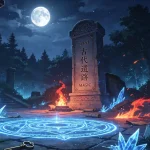
「人生は、半分が現実で、半分が夢だ。一念花開き、一念花落ちる。」
中文译文:人生,一半是现实,一半是梦想。一念花开,一念花落。
English translation: Life is half reality and half a dream. A single thought can make a flower bloom; a single thought can make it wither.
日向雏田(日向ヒナタ)
——日本动画《火影忍者疾风传》(日文片名:NARUTO -ナルト- 疾風伝)
动画播出时间(Anime release dates)2007年2月15日(日本首播)
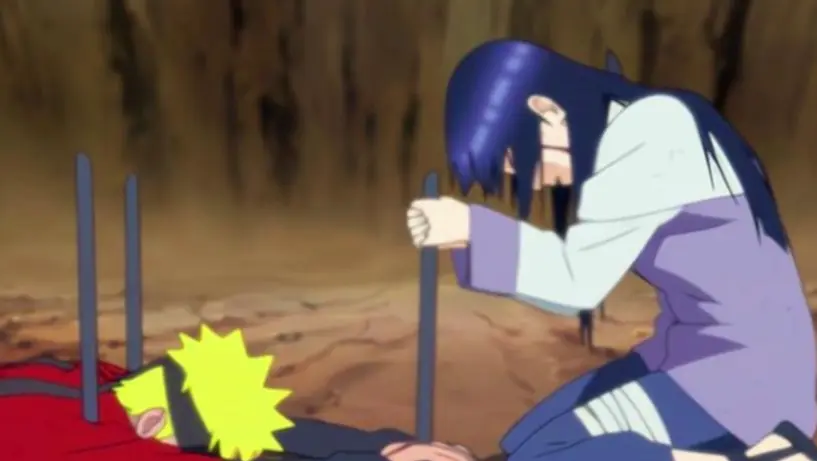
这句话出现在《火影忍者疾风传》的中后期,是雏田在经历了一系列成长与战斗后,对自己人生的总结。雏田从小性格内向、缺乏自信,作为日向宗家的长女却总是被父亲否定。她把对鸣人的仰慕藏在心里,把变强的愿望压在行动中。在佩恩之战中她挺身而出保护鸣人,在忍界大战中与鸣人并肩作战,她逐渐从“只能在远处看着”的女孩,成长为“可以站在他身边”的人。这句话正是在她回望自己一路走来的经历时,内心流淌出的一段独白——她终于懂得,人生既要脚踏实地活在现实里,也要靠梦想支撑自己走下去;而梦想与现实之间的转换,往往只在一念之间。
This line appears in the middle to late stages of Naruto Shippuden and serves as Hinata’s reflection on her life after going through a series of personal growth and battles. Hinata had been introverted and lacked self-confidence since childhood; despite being the eldest daughter of the Hyuga main branch, she was constantly belittled by her father. She kept her admiration for Naruto hidden in her heart and suppressed her desire to grow stronger through her actions. During the battle against Pain, she stepped forward to protect Naruto, and in the Great Ninja War, she fought side by side with him. She gradually grew from a girl who “could only watch from afar” into someone who “could stand by his side.” This line is a monologue that flows from her heart as she looks back on her journey—she has finally come to understand that life requires both keeping one’s feet firmly planted in reality and relying on dreams to keep moving forward; and the shift between dreams and reality often hinges on a single thought.
我们常常被两种极端的观念拉扯:要么被现实压垮、放弃梦想,要么沉溺梦想、脱离现实。但雏田说:人生是现实和梦想各占一半的。 她没有否定现实的重量——日向家族的压力、自身天赋的局限、战场上的生死考验——这些都是她必须面对的真实;但她也没有放弃梦想——对鸣人的爱、对变强的渴望、对守护他人的信念——这些是她能承受现实重量的理由。两者不是对立面,而是共同构成了一个完整的人。
而“一念花开,一念花落”则进一步将“现实与梦想”之间的转换,浓缩到了一个极其微小的单位——念头。花开与花落之间,不需要漫长的时间,不需要复杂的过程,只需要一个念头的转变。雏田曾经以为自己只能躲在树后看鸣人,但她在佩恩之战中那个“我要保护鸣人”的念头冒出来的一瞬间,她就从一个“仰望者”变成了“守护者”。那个念头改变了她的位置、她的行动、她的整个生命轨迹。梦想不是遥远的东西,它只是一个念头的距离;现实也不是固定的墙壁,它随着你念头的转换而重新塑形。
从雏田的角色成长来看,这句话也标志着她从“被动”走向“主动”的最终完成。小时候的她总是等待——等待被认可、等待被看见、等待自己变强。而现在的她已经明白:等待不会让花开,念头才会。 她不再把“现实”当作无法改变的命运,也不再把“梦想”当作遥不可及的幻影,她开始用自己的念头去连接两者。当她选择在战场上站出来时,现实就被那一个念头改写了。
我们常觉得“现实”和“梦想”是两条永远无法交汇的平行线,但雏田说:它们其实就在同一个地方——在你的一念之间。 你觉得现实太重时,也许只需要一个“我还可以做点什么”的念头,它就会松动一点;你觉得梦想太远时,也许只需要一个“我现在就可以为它做一件小事”的念头,它就会靠近一点。花开与花落,不在远方,在你此刻如何看待自己正在走的路。
We’re often torn between two extremes: either being crushed by reality and giving up on our dreams, or getting lost in our dreams and losing touch with reality. But Hinata says: Life is half reality and half dreams. She doesn’t deny the weight of reality—the pressure from the Hyuga clan, the limitations of her own talents, and the life-and-death trials on the battlefield—all of which are realities she must face; yet she hasn’t given up on her dreams either—her love for Naruto, her desire to grow stronger, and her conviction to protect others—which are the very reasons she can bear the weight of reality. The two are not opposites; rather, they together form a complete person.
And the phrase “In a single thought, a flower blooms; in a single thought, a flower falls” further condenses the transition between “reality and dreams” into an extremely minute unit—a single thought. Between a flower blooming and a flower falling, no long period of time is needed, nor any complex process—only a shift in a single thought. Hinata once thought she could only hide behind a tree and watch Naruto, but in the instant that the thought “I will protect Naruto” flashed through her mind during the battle against Pain, she transformed from an “admirer” into a “protector.” That thought changed her position, her actions, and the entire trajectory of her life. Dreams aren’t something far away; they’re just a thought away. Reality isn’t a fixed wall either; it reshapes itself as your thoughts shift.
Looking at Hinata’s character development, this statement also marks the final completion of her transition from “passivity” to “proactivity.” As a child, she was always waiting—waiting to be acknowledged, waiting to be seen, waiting to grow stronger. But now she understands: waiting won’t make flowers bloom; only a thought can. She no longer views “reality” as an unchangeable fate, nor does she see “dreams” as an unattainable illusion; she has begun to bridge the two with her own thoughts. When she chose to step forward on the battlefield, reality was rewritten by that single thought.
We often think of “reality” and “dreams” as two parallel lines that can never intersect, but Hinata says: They are actually in the same place—in the blink of an eye. When reality feels too heavy, perhaps all it takes is a single thought—“What else can I do?”—and it will ease a little; when a dream feels too far away, perhaps all it takes is a single thought—“I can do one small thing for it right now”—and it will draw a little closer. The blooming and fading of flowers are not found in the distance; they lie in how you view the path you’re walking right now.
What do you think?