“いい人が現れないのは、自分が良くないからじゃないの?”
中文译文:没出现让你觉得很好的人,难道不是因为你自己不够好吗?
English translation: Isn’t the reason you haven’t met anyone nice because there’s something wrong with you?田中玉子(田中たまこ)
——日本电视剧《问题餐厅》(日文片名:問題のあるレストラン)
电视剧播出时间(TV series release dates)2015年1月15日(日本首播)
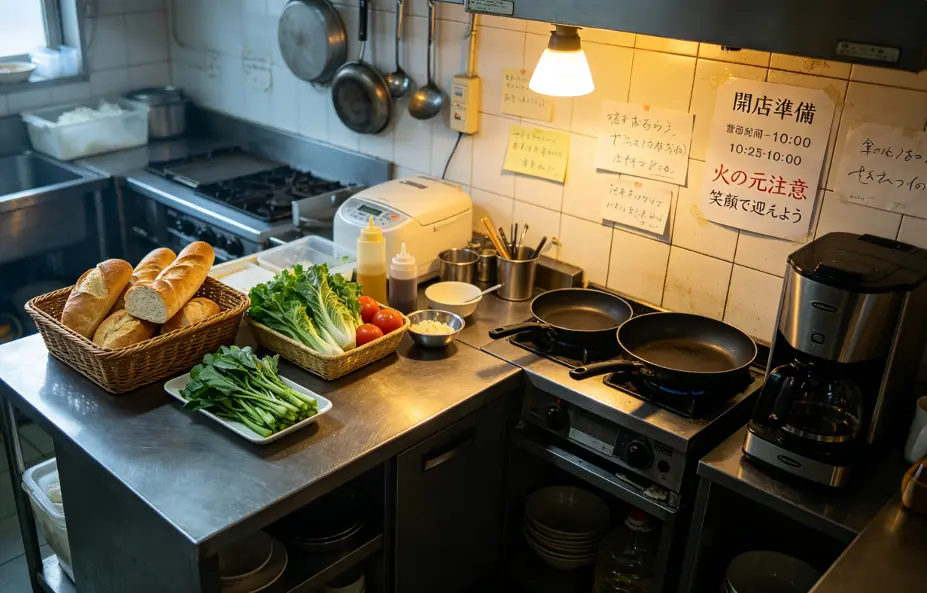
这句话出现在剧集的中段,是玉子在餐厅的一次深夜谈话中对同伴说出的一句掷地有声的反问。剧中,玉子在一家男性主导的餐饮公司受到不公正待遇后,愤而辞职,与一群同样被社会边缘化的女性——包括被职场性骚扰的前同事、不敢出柜的甜点师、缺乏自信的家庭主妇等——合伙开了一家法式小餐厅。在一次深夜的聚会上,几位女性聊起了“为什么我总是遇不到好人”这个话题。有人说“好男人都结婚了”,有人说“我运气太差”。玉子听完后,没有安慰她们,而是直截了当地抛出了这个问题:“没出现让你觉得很好的人,难道不是因为你自己不够好吗?”这句话听起来近乎残酷,但它并非在指责——而是用一种“反鸡汤”的方式,逼迫所有人重新审视一个被回避的真相:你遇到的人,往往是你当下状态的投射。 玉子自己也曾经历过被背叛、被打压,但她选择从“为什么没有人爱我”的痛苦中走出来,转向“我是否足够爱自己”的自我建设,而这正是她能够带领这群“问题女性”一起向前走的力量源泉。
This line appears midway through the series, delivered by Okja as a forceful retort to her companions during a late-night conversation at a restaurant. In the series, after facing unfair treatment at a male-dominated catering company, Okja resigns in anger and partners with a group of similarly marginalized women—including a former colleague who was sexually harassed at work, a pastry chef afraid to come out, and a housewife lacking self-confidence—to open a small French restaurant. During a late-night gathering, the women discuss the topic: “Why can’t I ever meet a good man?” Some said, “All the good men are already married,” while others said, “I’m just too unlucky.” After listening, Yuzi didn’t offer comfort; instead, she bluntly posed this question: “Isn’t the reason you haven’t met someone you think is great simply because you aren’t good enough yourself?” This statement sounds almost cruel, but it isn’t meant as a criticism—rather, it’s a form of “anti-self-help” that forces everyone to reexamine a truth they’ve been avoiding: the people you meet are often a reflection of your current state. Yuzi herself had experienced betrayal and oppression, but she chose to move beyond the pain of asking, “Why doesn’t anyone love me?” and turn toward self-improvement by asking, “Do I love myself enough?” And this is precisely the source of strength that enables her to lead this group of “troubled women” forward together.
人们习惯于把遇不到理想伴侣归咎于“缘分未到”“圈子太窄”“渣男太多”——这些解释让人安心,因为它们卸除了个体的责任。但玉子用一句“难道不是因为你自己不够好吗”,把所有归因从外部拉回到内部,从命运拉回到自我。这并非是在进行“受害者有罪论”的推演,而是提示我们:如果你总觉得自己遇到的人不够好,很可能是因为你对自己的认知和要求,也停留在某个不够清晰、不够笃定的阶段。 你的边界模糊,就容易吸引不尊重边界的人;你的自我价值感低,就容易被低质量的对待所满足。玉子并非在否定每个人的价值,而是在推动她们把“责任”从对他人世界的抱怨,转移到对自己世界的建设。
你对待自己的方式,决定他人对待你的方式。 在《问题餐厅》中,玉子团队里的每一位女性都曾因为“不够好”的自我认知而陷入被动——她们要么忍受屈辱,要么逃避冲突,要么否定自己的欲望。而玉子正是在帮助她们学习一件事:你认为自己值得被怎样对待,世界才会用怎样的方式回应你。那句“你自己不够好”不是在说“你配不上好人”,而是在说“你还没有把自己当做好人”。当一个人真正开始练习自尊、自爱、自我成长时,他所吸引来的人际关系,往往也会开始发生质变。
玉子不是一个“等着好男人来拯救”的人,她是在混乱中挺身而出、主动搭建生活框架的那个人。她说出这句话的底气,正是因为她自己就是这样做的——她辞去稳定的工作、背负风险开店、直面行业的不公,不是为了“变好去遇见谁”,而是为了“变好去成为自己”。“不够好”不是一种罪过,而是一种状态;而更重要的,是它是否可以被超越。
我们生活在一个“匹配焦虑”盛行的时代——人们抱怨社交软件上找不到真诚的人,抱怨爱情变成明码标价的交易,抱怨“对的人”永远在别人那里。但玉子的反问让我们不得不面对一个不太舒服的问题:你是否在期待一个你自己尚未成为的人?你是否在抱怨圈子差的同时,也在避免走出熟悉的舒适区?真正的好关系,很少是从“等待”中出现的,它更多是从“自我状态升级”后自然遇见的。
People are accustomed to blaming their inability to find an ideal partner on “fate not yet aligning,” “a social circle that’s too narrow,” or “too many jerks”—explanations that offer comfort because they shift responsibility away from the individual. But with the line, “Isn’t it because you’re not good enough yourself?” Yuzi shifts all the blame from external factors back to the individual, from fate back to the self. This isn’t an argument that “the victim is to blame,” but rather a reminder that: If you constantly feel that the people you meet aren’t good enough, it’s likely because your self-perception and standards are still stuck at a stage that lacks clarity and certainty. When your boundaries are blurred, you’re more likely to attract people who don’t respect those boundaries; when your sense of self-worth is low, you’re more likely to settle for subpar treatment. Yuzi isn’t denying anyone’s value; rather, she’s encouraging women to shift their “responsibility” from complaining about the world of others to building their own world.
The way you treat yourself determines how others treat you. In The Problem Restaurant, every woman on Yuzi’s team had once found herself in a passive position because of the belief that she wasn’t “good enough”—they either endured humiliation, avoided conflict, or denied their own desires. Yuzi is helping them learn one thing: the world will respond to you in the way you believe you deserve to be treated. The phrase “You’re not good enough” doesn’t mean “You don’t deserve a good person,” but rather “You haven’t treated yourself as a good person yet.” When a person truly begins to practice self-respect, self-love, and personal growth, the relationships they attract often undergo a qualitative transformation.
Yuzi isn’t the kind of person who “waits for a good man to save her”; she’s the one who steps up in the midst of chaos and takes the initiative to build a framework for her life. The confidence with which she speaks these words stems precisely from the fact that she has done exactly that—she quit her stable job, took risks to open a store, and confronted industry injustices, not to “become better in order to meet someone,” but to “become better in order to be herself.” “Not being good enough” isn’t a sin—it’s a state of being; what matters more is whether it can be transcended.
We live in an era where “matching anxiety” runs rampant—people complain about not finding genuine people on dating apps, about love turning into a transaction with a fixed price tag, and about the “right person” always being with someone else. But Yuzhi’s counterquestion forces us to confront an uncomfortable truth: Are you waiting for someone you haven’t yet become yourself? Are you complaining about your social circle while simultaneously avoiding stepping outside your familiar comfort zone? Truly good relationships rarely emerge from “waiting”; they are more often encountered naturally after you’ve “upgraded” yourself.
What do you think?