「終わったものが、もう一度始まっても、それはまた終わるだけだ。すべての始まりは、すでに書かれた結末でもある。」
中文译文:已经走到尽头的东西,重生也不过是再一次的消亡。就像所有的开始,其实都只是一个写好了的结局。
English translation: Even if something that has ended were to begin again, it would only end once more. Every beginning is also an ending that has already been written.
汤婆婆(湯婆婆)
——日本动画《千与千寻》(日文片名:千と千尋の神隠し)
动画上映时间(Anime release dates)2001年7月20日
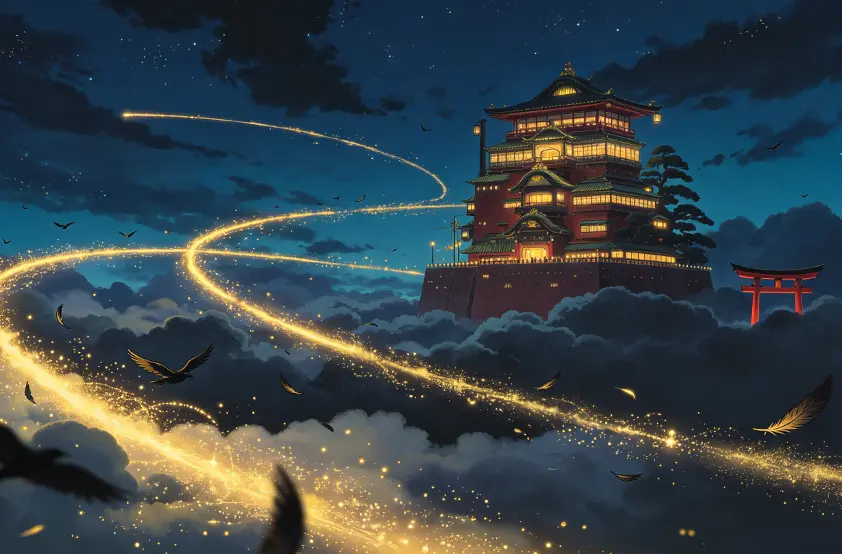
这句话出现在影片中段,是汤婆婆在千寻试图拯救白龙时对她所说的充满否定意味的话。千寻进入汤屋后,被汤婆婆剥夺了名字,被迫在浴场工作。当她逐渐想起自己与白龙的过去,并决心帮助白龙摆脱诅咒时,汤婆婆以这句话提醒她:那些已经结束的事情不必去追,因为即使重来一次,结局也不会改变。汤婆婆作为汤屋世界的统治者,信奉“规则不可改变”的冷酷哲学,她认为所有的轮回都是徒劳,每一次开始都只会通向同一条终点。
This line appears midway through the film; it is a dismissive remark Yubaba makes to Chihiro as she attempts to save Haku. After Chihiro enters the Bathhouse, Yubaba strips her of her name and forces her to work there. As she gradually recalls her past with Haku and resolves to help him break the curse, Yubaba uses these words to remind her: there is no need to chase after things that are already over, because even if she were to start over, the outcome would remain the same. As the ruler of the Bathhouse world, Yubaba adheres to a ruthless philosophy that “rules cannot be changed”; she believes that all cycles of rebirth are futile, and that every new beginning leads only to the same end.
我们通常相信“重新开始”是充满希望的——换一个地方生活、换一段关系、换一份工作,仿佛新的开始天然地承诺了新的结局。但汤婆婆却说:如果你没有改变导致结局的核心原因,那么重生也不过是再走一遍老路。 这个判断虽然在影片中出自反派之口,却揭示了一个真实存在的逻辑陷阱:许多人在原地打转,却相信自己已经在“重新开始”。
汤婆婆相信一切开始都已写好了结局,所以她选择不抵抗、不变革,只维护她的汤屋秩序。而千寻虽然听到了这句话,却依然选择去救白龙——她的行动回答了汤婆婆的论断:也许结局真的已经写好了,但书写结局的笔,在我自己手里。 千寻的成功证明了汤婆婆的预言并非不可打破,前提是你必须有足够的勇气在“已经写好结局”的框架里,做出超出预期的选择。
我们常常经历相似的结局——一段关系的破裂模式、职场上的类似挫折——因此开始怀疑“是不是我注定如此”。但这句话的真正用法不是让你“接受命运”,而是让你看清:如果重生只是换了场景但没有换自己,结局确实不会变;但如果你在重生之前改变了自己的内核,那么所谓的“注定”也会重新被改写。
We usually believe that “starting over” is full of hope—moving to a new place, entering a new relationship, or getting a new job—as if a fresh start naturally promises a new outcome. But Yubaba says: If you haven’t changed the core reason behind the outcome, then starting over is nothing more than retracing your old steps. Although this observation comes from the mouth of an antagonist in the film, it reveals a very real logical trap: many people find themselves going around in circles, yet believe they have already “started over.”
Yubaba believes that the ending of every beginning has already been written, so she chooses not to resist or seek change, but simply to maintain the order of her Bathhouse. Although Chihiro heard these words, she still chose to save Haku—her actions answered Yubaba’s assertion: perhaps the ending really is already written, but the pen that writes it is in my own hands. Chihiro’s success proves that Yubaba’s prophecy is not unbreakable, provided you have enough courage to make unexpected choices within the framework of a “pre-determined ending.”
We often experience similar outcomes—patterns of relationship breakdowns, recurring setbacks at work—and thus begin to wonder, “Am I destined to live this way?” But the true meaning of this phrase is not to make you “accept your fate,” but to help you see clearly: if you were to start over in a different setting but remain the same person, the outcome would indeed remain unchanged; but if you transform your core self before starting anew, then so-called “destiny” can be rewritten.
What do you think?