“Sometimes, I find it laughable that those in our memory occupy a small fraction of people are often left us with a most impressive.”
中文译文:“有些时候我觉得很好笑,那些在我们记忆里占据很小一部分的人,竟然一辈子都忘不掉。”
本杰明·巴顿(Benjamin Button)
——美国电影《本杰明·巴顿奇事》(English: The Curious Case of Benjamin Button)
电影上映时间(Film release dates)2008年12月25日(美国)
这句话出现在影片的结尾部分,是本杰明在给自己女儿的信中写下的一段话。本杰明·巴顿生来便患有罕见的“逆生长”疾病——他出生时是80岁老人的模样,随着年龄增长,身体越来越年轻。他的一生都在“逆行”中度过:他遇见了形形色色的人——被雷劈过七次的老人、一生游泳横渡英吉利海峡的女士、在旅馆里与陌生人聊一夜天便永不再见的男人——这些人中许多只是短暂地出现在他的生命里,却在他心中留下了无法磨灭的印记。他在信中写下这句话时,已经在身体上变成了一个失忆的少年,他逐渐忘记了所有人,甚至忘记了自己是谁,但那些“占据记忆一小部分的人”却依然以某种难以言说的方式留在他的身体里。这句话不仅是对自己一生的回望,也是对“记忆如何运作”的一次温柔发问——为什么那些匆匆路过的人,反而比陪伴最久的人更难以忘记?
This line appears toward the end of the film, in a letter Benjamin wrote to his daughter. Benjamin Button was born with a rare condition that caused him to “age in reverse”—he looked like an 80-year-old man at birth, and as he grew older, his body became younger and younger. He spent his entire life “moving backward”: he met all kinds of people—an old man struck by lightning seven times, a woman who spent her life swimming across the English Channel, a man who spent a night chatting with a stranger in a hotel only to never see him again—many of whom appeared only briefly in his life, yet left an indelible mark on his heart. By the time he wrote these words in his letter, he had physically become an amnesiac teenager; he gradually forgot everyone, even who he was, yet those “people who occupied a small part of his memory” still remained within him in some indescribable way. This sentence is not only a retrospective on his own life but also a gentle inquiry into “how memory works”—why is it that those who passed by in a flash are, paradoxically, harder to forget than those who stayed the longest?
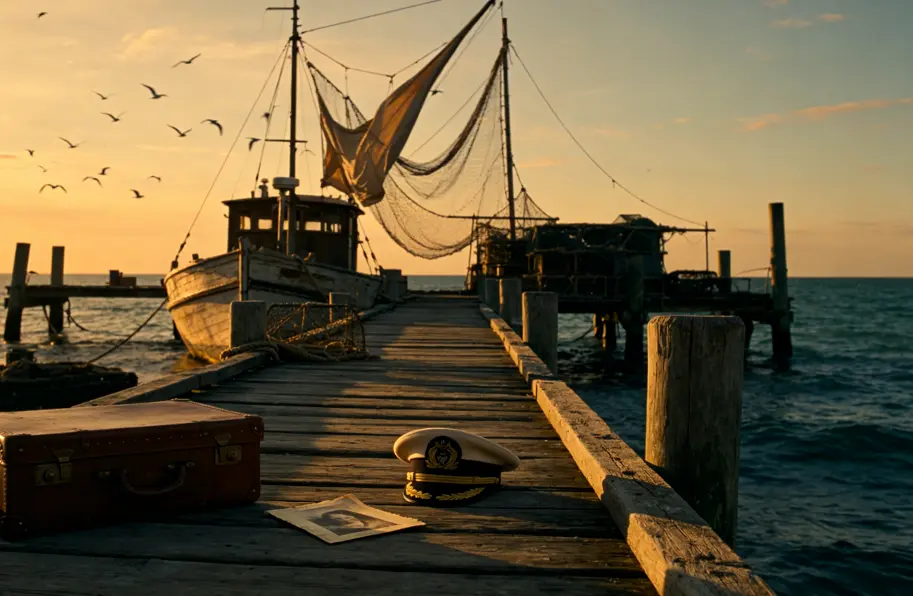
我们通常认为,记忆的深度与相处的时间成正比——认识越久的人,理应越难忘记。但本杰明却说出了一个相反的经验:那些“占据记忆很小一部分”的人,却常常“一辈子都忘不掉”。这揭示了记忆的一个残酷规律:记忆的强度不取决于时长,而取决于那一刻的浓度。 一个在旅馆里只聊了一夜的陌生人、一个在车站擦肩而过的眼神、一次在暴雨中短暂的同行——这些瞬间之所以难以磨灭,是因为它们出现在你生命中某个特殊的位置上,像钉子一样钉进了那个时刻的情绪纹理里。它们占据的记忆容量很小,占据的情感空间却很大。
本杰明的一生是倒着走的——他看着身边的人一个个老去、死亡,而自己却越活越年轻。这种“错位”让他对“相遇”和“离别”有着异于常人的敏感。正因为他总是在告别——告别童年的玩伴、告别深爱的黛西、告别自己不断衰老(其实是不断年轻)的身体——他才比任何人都更清楚地意识到:生命中的大多数关系都是短暂的,而正是这种短暂,赋予了它们不可复制的重要性。 那些“只出现了一小会儿”的人,恰恰因为他们的“一小会儿”出现在无法复制的时刻,才成了本杰明记忆里再也抹不去的存在。
影片以本杰明在飓风来临的医院里,让女儿读他的日记为框架,整部电影就是他“一生中那些忘不掉的人”的故事集。那个被雷劈了七次的老头,每次说完自己如何被雷劈都会加上一句“永远不知道下一刻会发生什么”;那个一生都在游泳的女人,教他不要被身体的限制定义;那个在旅馆里与他彻夜长谈的男人,让他明白“我们注定要失去我们所爱的人,否则我们怎么知道他们对我们有多重要”。这些人每一个都只出现了一小段篇幅,但每一个都在本杰明的日记里占据了无法被省略的位置。“占据很小一部分”不是“不重要”的代名词,反而是“最珍贵”的另一种表达方式。
我们一生中会遇到成千上万的人,绝大多数都会被时间的洪流冲走,但有那么几个——也许只是一次旅行中同住的室友、一场讲座后交换过联系方式的人、一次失恋后陪你走了一段夜路的朋友——他们之后再无交集,但他们说过的话、当时的表情、那一晚的气温,却像刻进骨头一样留在你的身体里,多年后依然会在某个不期然的瞬间翻涌上来。你甚至记不清他们的全名了,但你记得他们曾在你最需要的时候出现过。记忆从来不是按照“时长”排序的,它按照“生命需要的时刻”来分配权重。 那些只出现过一瞬间的人,之所以一生都忘不掉,是因为他们恰好出现在你生命中需要那一瞬间的时刻。
本杰明用“laughable”这个词来形容自己的感受——不是悲伤,不是遗憾,而是“好笑”。这或许正是这句话最动人的地方:面对生命中那些“匆匆而过却永远留在心里”的人,你无力解释,无法归类,只能说一句“有些时候我觉得很好笑”——而这种笑,是对命运无常的无奈接受,也是对那些短暂而深刻相遇的温柔致敬。
We usually assume that the depth of a memory is directly proportional to the length of time we’ve spent with someone—the longer we’ve known someone, the harder it should be to forget them. But Benjamin shared an experience that contradicts this: those who “occupy only a small part of our memory” are often the ones we “can’t forget for the rest of our lives.” This reveals a cruel truth about memory: the intensity of a memory does not depend on duration, but on the intensity of that single moment. A stranger with whom you chatted for just one night at a hotel, a glance exchanged as you passed each other at a train station, a brief walk together in a downpour—these moments are indelible because they occupy a special place in your life, driven like nails into the emotional fabric of that moment. They take up very little space in your memory, yet they occupy a vast emotional space.
Benjamin’s life unfolded in reverse—he watched the people around him grow old and die one by one, while he himself grew younger with each passing day. This “displacement” gave him an extraordinary sensitivity to “encounters” and “goodbyes.” Precisely because he was constantly saying goodbye—to his childhood playmates, to his beloved Daisy, and to his own aging (or rather, ever-younger) body—he realized more clearly than anyone else that most relationships in life are fleeting, and it is precisely this fleeting nature that endows them with an irreplaceable significance. Those who “appeared only for a brief moment”—precisely because their “brief moment” occurred at an irreplaceable juncture—became indelible figures in Benjamin’s memory.
The film is framed by Benjamin, lying in a hospital as a hurricane approaches, asking his daughter to read his diary; the entire movie is a collection of stories about “the people he could never forget in his life.” The old man who was struck by lightning seven times, who would add the phrase “You never know what will happen next” every time he recounted how he’d been struck; the woman who spent her whole life swimming, who taught him not to let his body’s limitations define him; the man who talked with him all night in a hotel, helping him realize that “we are destined to lose the people we love; otherwise, how would we know how important they are to us?” Each of these people appears only briefly, yet each occupies an indispensable place in Benjamin’s diary. “Occupying a small part” is not synonymous with “unimportant”; rather, it is another way of expressing “most precious.”
We meet tens of thousands of people in our lifetimes, and the vast majority are swept away by the torrent of time. But there are a few—perhaps a roommate on a trip, someone you exchanged contact information with after a lecture, or a friend who walked with you part of the way home one night after a breakup— —with whom you never cross paths again, yet the words they spoke, their expressions at the time, and the temperature that night remain etched into your very being, like they were carved into your bones, and years later, they still well up in an unexpected moment. You may not even remember their full names, but you remember that they were there when you needed them most. Memories are never ranked by “duration”; they are weighted according to “the moments when life needed them.” The reason we never forget those who appeared for just a fleeting moment is that they happened to be there at the very instant our lives needed them.
Benjamin used the word “laughable” to describe his feelings—not sadness, not regret, but “laughable.” This is perhaps what makes this statement so moving: when faced with those people in life who “passed by in a flash yet remain forever in your heart,” you are powerless to explain them, unable to categorize them—all you can say is, “Sometimes I find it quite funny.” And this laughter is both a resigned acceptance of life’s unpredictability and a tender tribute to those fleeting yet profound encounters.
What do you think?