“Easy doesn’t enter into grown-up life.”
中文译文:成年人的生活里没有容易二字。
罗伯特·斯普里茨(Robert Spritzel)
——美国电影《天气预报员》(English: The Weather Man)
电影上映时间(Film release dates)2005年10月28日
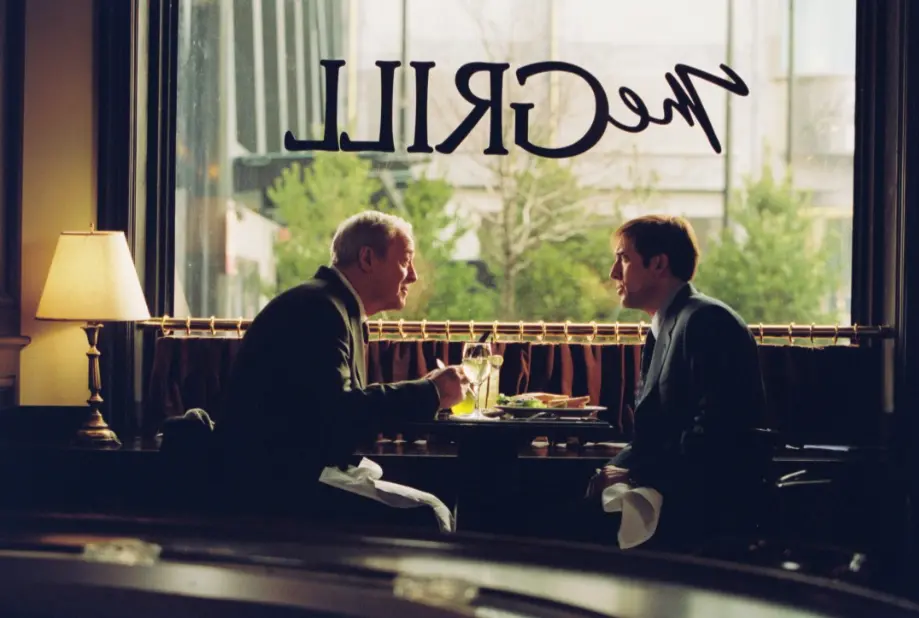
这句话出现在戴维与父亲罗伯特的一次车内对话中。戴维正面临婚姻破裂、儿子被辅导员诬陷、女儿被同学嘲笑,自己又在街头被路人扔快餐。他向父亲抱怨生活实在太难,想放弃继续维持家庭的努力。父亲沉默片刻,说出了这句简短而沉重的话,并补充道:“凡是有意义的事都不会容易。”这是一位身患绝症、时日无多的父亲,用一生换来的总结,没有安慰,只有真相——成年人的世界没有捷径,你唯一能做的,就是把该走的路走完。
This line came up during a conversation between David and his father, Robert, in the car. David was facing a crumbling marriage, his son being falsely accused by a counselor, his daughter being mocked by classmates, and having fast food thrown at him by a passerby on the street. He complained to his father that life was just too hard and that he wanted to give up trying to keep his family together. His father was silent for a moment before uttering these brief yet weighty words, adding, “Nothing worthwhile ever comes easy.” This was the conclusion reached by a terminally ill father with little time left—a lesson earned through a lifetime of experience. There was no consolation, only the truth: there are no shortcuts in the adult world; the only thing you can do is walk the path you’re meant to walk to the very end.
这句话在于它拒绝了一切“同情式安慰”。当戴维向父亲倾诉“太难了”时,父亲没有说“会好起来的”,也没有说“我理解你”,而是冷冷地宣告了一个基本事实:成年人的字典里本来就不该有“容易”这两个字。这不是残酷,而是祛魅。它撕掉了青春期对“长大”的浪漫想象——长大不是自由,是责任;不是选择变多,是选项逐年减少,直到只剩一种。影片开头戴维的独白早已为此埋下伏笔:他曾想象自己拥有各种优秀的品质,但岁月流逝,他一个也没得到,所有可能最终缩减为“现在的我”。
这句话与父亲的另一句台词形成了递进:“Do you know that the harder thing to do and the right thing to do are usually the same thing?”——难做的事和应该做的事,往往是同一件事。这构成了《天气预报员》的核心价值观:人生的意义不在于避开困难,而在于在困难面前做出选择。戴维的工作是“天气预报员”,一个讽刺的设定——他每天都在预测那“满世界乱吹的风”,却无法预测自己生活的走向。他无法让妻子回心转意,无法让儿子不被欺凌,无法让女儿不被嘲笑体重,但他可以决定是否还要继续做一个父亲。父亲的话提醒他:“要得到有价值的东西,就必须牺牲。”成年人的自由,不是随心所欲,而是有能力为重要的事承担代价。
父亲在临终前还说过另一句话:“This shit life… we must chuck some things.”——在这狗屎般的人生里,我们必须扔掉一些东西。“容易”之所以不存在,正是因为成年人必须在“该做的”和“想做的”之间不断选择,在不断“扔掉”某些东西的过程中,摸索出什么才是真正不能丢的。戴维最终接受了纽约的高薪工作,放弃了修复婚姻的幻想;他在葬礼上哽咽着想起父亲“坚如磐石”的模样,终于明白——成年人的坚强不是不痛,而是痛了之后,依然把该做的事做完。
成年人的生活里没有容易二字,但也正因为没有容易二字,活着才不是一场被动的漂流,而是一场主动的承担。戴维没能成为年轻时想象中那个“出类拔萃”的人,但他最终成为了一个“坚如磐石”的人——像父亲一样,沉默地、笨拙地、不计代价地,守护着那些他无法放手的东西。
The power of this line lies in its rejection of all “sympathetic consolation.” When David confides in his father, saying, “It’s too hard,” his father doesn’t say, “It’ll get better,” nor does he say, “I understand you.” Instead, he coldly states a fundamental truth: the word “easy” has no place in an adult’s vocabulary. This isn’t cruelty; it’s demystification. It shatters adolescence’s romanticized notions of “growing up”—growing up isn’t about freedom, but responsibility; it isn’t about having more choices, but about options dwindling year by year until only one remains. David’s monologue at the beginning of the film had already foreshadowed this: he once imagined himself possessing all sorts of admirable qualities, but as the years passed, he acquired none of them, and all possibilities ultimately boiled down to “who I am now.”
This line builds upon another line spoken by his father: “Do you know that the hardest thing to do and the right thing to do are usually the same thing?”—the difficult thing and the thing one ought to do are often one and the same. This forms the core value of The Weather Forecaster: the meaning of life lies not in avoiding difficulties, but in making choices in the face of them. David’s job is as a “weather forecaster”—an ironic twist—as he spends his days predicting the “winds blowing haphazardly all over the world,” yet is unable to predict the course of his own life. He cannot win back his wife’s heart, prevent his son from being bullied, or stop his daughter from being mocked for her weight, but he can decide whether to continue being a father. His father’s words remind him: “To gain something of value, you must make sacrifices. ” Freedom as an adult isn’t about doing whatever you want; it’s about having the ability to pay the price for what matters.
On his deathbed, his father also said, “This shit life… we must chuck some things.”—In this shitty life, we have to let go of certain things. The reason “ease” doesn’t exist is precisely because adults must constantly choose between “what they should do” and “what they want to do”; through the process of continually “letting go” of certain things, they figure out what truly cannot be discarded. David ultimately accepted the high-paying job in New York, giving up any illusion of salvaging his marriage; at the funeral, choking back tears as he recalled his father’s “rock-solid” demeanor, he finally understood—an adult’s strength isn’t the absence of pain, but the ability to see things through even after the pain has struck.
There is no such thing as “easy” in adult life, but it is precisely because there is no “easy” that living is not a passive drift, but an active assumption of responsibility. David did not become the “outstanding” person he had imagined in his youth, but he ultimately became a person “as solid as a rock”—just like his father, silently, clumsily, and at any cost, safeguarding the things he could not let go of.
What do you think?