“后来,我们什么都有了,却没有了我们。”
English translation:“Later on, we had everything—but we no longer had each other.”方小晓(Fang Xiaoxiao)
——中国电影《后来的我们》(Chinese Film: Us and Them)
电影上映时间(Film release dates)2018年4月28日
这句话出现在影片结尾的段落中,作为对林见清和方小晓十年感情历程的最终总结。十年前,两人在北京相遇相爱,挤在狭小的出租屋里吃泡面、卖光盘、跑保险,日子虽苦却彼此拥有。十年后,林见清的游戏创业成功,在北京买了房、成了家、物质富足,但那个曾经陪他一起在雪地里奔跑、一起在地铁站里分别的方小晓,却已经从“我们”中消失了。这句话出现在十年后两人在飞机上意外重逢后的对话中——他已经有了妻子和孩子,而她依然独自漂泊。飞机因雪延误,两人在酒店里回忆往昔,林见清说:“如果当时你没走,后来的我们会不会不一样?”而最终,他们都意识到:无论假设多少遍“如果”,那个曾经的“我们”都已经不在了。
This line appears near the end of the film, serving as the final conclusion to the ten-year emotional journey of Lin Jianqing and Fang Xiaoxiao. Ten years ago, the two met and fell in love in Beijing, sharing cramped apartments, eating instant noodles, selling pirated CDs, and working odd insurance jobs—life was hard, but they had each other. Ten years later, Lin Jianqing’s game development business has succeeded; he owns a home in Beijing, has started a family, and enjoys material abundance. But Fang Xiaoxiao—the girl who once ran with him through the snow and parted with him at the subway station—has vanished from the “we.” This line appears during a conversation between the two after an accidental reunion on a plane ten years later—he now has a wife and child, while she remains alone and drifting. Stranded at a hotel due to a snow delay, they reminisce about the past. Lin Jianqing asks, “If you hadn’t left back then, would things have been different between us?” In the end, both come to realize that no matter how many “what ifs” they imagine, the “us” they once were no longer exists.
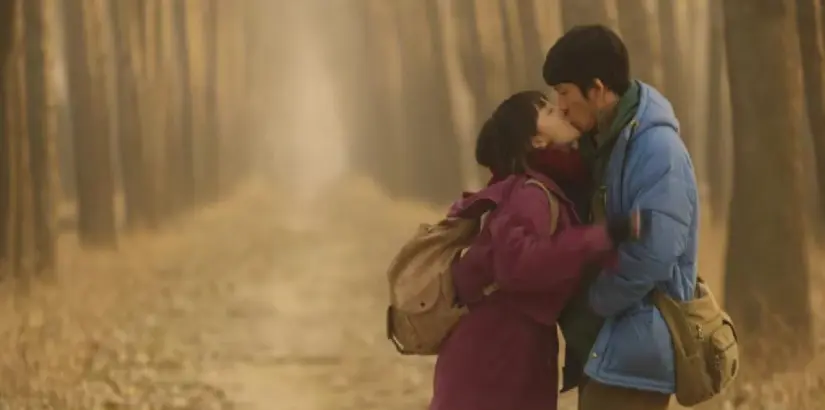
“什么都有了”与“却没有了我们”——完成了对一个普遍困境的深刻概括:物质的积累与情感的维系,常常并非同步增长,有时甚至此消彼长。
林见清和方小晓的悲剧不在于“没有爱过”,而在于“爱过却恰好错过了彼此需求的窗口期”。年轻时方小晓渴望在北京扎根,林见清却沉迷游戏、一事无成;等到林见清终于功成名就、能够提供她当年想要的一切时,方小晓却已经不再需要那些了——她成长了,她的需求变了,而他的成功来晚了那么几步。
人们常说“先谋生,再谋爱”,但《后来的我们》用十年时间证明——等你谋好了生,那个你想与之“谋爱”的人,很可能已经不在了。 时间的残酷在于,它不会静止地等待任何一个人。林见清和方小晓之间的“我们”,并不是被某一个巨大的灾难摧毁的,而是被无数个小小的“错过”和“来不及”消磨殆尽的:一次没说出口的挽留、一次地铁站里的赌气转身、一次“等你成功了我再回来”的假设——每一个瞬间单独看都微不足道,叠加起来却足以让两个相爱的人变成两条平行线。
“拥有”一个人,并不是一个可以被“延后”的选项。很多人终其一生都在为“未来”做准备,却把“现在”的那个人弄丢了。林见清后来拥有了房子、车子、事业,但他再也没有机会站在方小晓面前,像十年前那样说一句“我养你”——因为那个愿意被他养的女孩,已经不需要了。这也是为什么电影结尾,林见清的父亲在信中对小晓说:“缘分这事,能不负对方就好,想不负此生真的很难。”——如果注定无法一生相伴,那么至少对得起曾经拥有过的那个“我们”。
在当代社会中,“后来我们什么都有了,却没有了我们”之所以成为现象级金句,是因为它精准地击中了无数北上广深漂泊者的集体共鸣。那些挤过地下室、赶过末班地铁、在出租屋里一起吃泡面的年轻情侣们,许多都在物质改善后走向了分手。物质的积累没有让他们更靠近,反而让他们发现——当面包足够时,爱情反而变得不再必需,或者不再纯粹。 而那个“没有了的我们”,成为了他们成功之后最昂贵的代价。
“We have everything” and “yet we have lost each other”—this offers a profound summary of a universal dilemma: the accumulation of material wealth and the maintenance of emotional bonds often do not grow in tandem; at times, they even rise and fall in inverse proportion.
The tragedy of Lin Jianqing and Fang Xiaoxiao does not lie in the fact that “they never loved each other,” but rather in the fact that “they did love each other, yet they happened to miss the window of opportunity when they needed each other most.” When she was young, Fang Xiaoxiao longed to put down roots in Beijing, but Lin Jianqing was obsessed with video games and had achieved nothing; by the time Lin Jianqing finally achieved success and fame and could provide everything she had wanted back then, Fang Xiaoxiao no longer needed those things—she had grown, her needs had changed, and his success had come a few steps too late.
People often say, “Secure your livelihood first, then seek love,” but Later Days uses a span of ten years to prove that by the time you’ve secured your livelihood, the person with whom you wanted to “seek love” may very well be gone. The cruelty of time lies in the fact that it never pauses to wait for anyone. The “us” between Lin Jianqing and Fang Xiaoxiao wasn’t destroyed by a single catastrophic event, but was gradually eroded by countless small “missed opportunities” and “too late” moments: A plea to stay left unsaid, a petulant walk away at the subway station, a hypothetical promise like “I’ll come back once you’ve made it”—each moment, taken alone, is insignificant, but together, they’re enough to turn two people in love into two parallel lines.
“Having” someone is not an option that can be “postponed.” Many people spend their entire lives preparing for the “future,” only to lose the person right in front of them in the “present.” Lin Jianqing later acquired a house, a car, and a successful career, but he never again had the chance to stand before Fang Xiaoxiao and say, “I’ll provide for you,” just as he had ten years earlier—because the girl who was once willing to let him provide for her no longer needed him. This is why, at the end of the film, Lin Jianqing’s father writes in a letter to Xiaoxiao: “When it comes to fate, it’s enough not to let the other person down; it’s truly difficult to live a life without regrets.”— —If we’re destined not to spend our lives together, then at least let’s do right by the “us” we once had.
In contemporary society, the phrase “Later, we had everything, but we no longer had ‘us’” has become a viral catchphrase because it precisely strikes a chord with countless young people drifting through Beijing, Shanghai, Guangzhou, and Shenzhen. Many of those young couples—who once crammed into basements, rushed to catch the last subway, and shared instant noodles in rented rooms—ended up breaking up after their material circumstances improved. The accumulation of material wealth did not bring them closer; instead, it made them realize that once their basic needs were met, love no longer seemed essential—or perhaps no longer pure. And that “us” they had lost became the most costly price they paid for their success.
What do you think?