「人生は墓場に向かって走る列車のようなものだ。途中にはたくさんの駅があり、最初から最後まで一緒にいてくれる人はめったにいない。一緒にいてくれた人が降りるときは、たとえ名残惜しくても、感謝の気持ちを持って、手を振って見送るべきだ。」
中文译文:人生就像一列驶向墓地的火车。途中有很多车站,很少有人能从头到尾陪在身边。当陪在身边的人下车时,即使依依不舍,也应怀揣感激之情,挥手送别。
English translation: Life is like a train heading toward the graveyard. There are many stations along the way, and it’s rare to find someone who stays with you from start to finish. When someone who has been with you gets off the train, even if you’re sad to see them go, you should wave goodbye with a heart full of gratitude.千寻(千尋)
——日本动漫《千与千寻》(日本のアニメ:千と千尋の神隠し)
动漫上映时间(Anime Release Dates)2001年7月20日
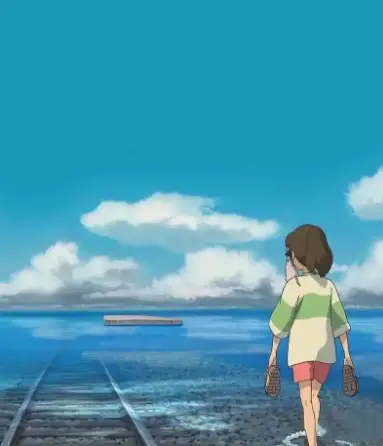
千寻经历了在汤屋世界中的一系列冒险之后,终于成功救出了变成猪的父母,解开了白龙的诅咒,并即将回到现实世界。在分别的时刻,白龙对千寻说出了这句意味深长的道别。这是整个故事的终结,也是千寻成长旅程的终点——她已经从一个胆怯、依赖的小女孩,蜕变为一个坚强、独立的少女。而白龙的这句话,既是对千寻未来的温柔叮嘱,也是对“陪伴”与“离别”这两个人生永恒主题的最深刻注解。
After experiencing a series of adventures in the spirit world, Chihiro has successfully rescued her parents (who had been turned into pigs), broken the curse on Haku, and is about to return to the real world. At the moment of parting, Haku says this profound farewell to Chihiro. This is both the conclusion of the story and the culmination of Chihiro’s journey of growth—she has transformed from a timid, dependent little girl into a strong, independent young woman. Haku’s words serve as a gentle reminder for Chihiro’s future, and also as the deepest reflection on the eternal themes of “companionship” and “farewell.”
这句话以“列车”作比喻,将抽象的生命历程具象化为一段旅途,其力量首先在于它对“孤独”的坦诚接纳。我们总是渴望永恒——永恒的爱、永恒的关系、永恒的陪伴,但宫崎骏却借白龙之口告诉我们:人生天然的设定就是孤独的,每个人都是独自上车,最终也将独自到站。认清这一点,并非悲观,而是对生命本质的一种清醒。正因为陪伴是短暂的,它才显得珍贵;正因为离别是必然的,我们才更应该珍惜每一个同行的站台。
当陪伴我们的人下车时,本能反应是挽留、是执念、甚至是不甘。但白龙却说:即使不舍,也该心存感激,然后挥手道别。这是一种极致的成熟——它既不否认离别的痛感,又不让痛感吞没曾经的美好。感激,是因为对方曾在你的旅途中点亮过某一段风景;挥手道别,是对那段关系的尊重,也是对彼此未来旅程的祝福。千寻能从容地离开汤屋世界,正是因为她学会了这种“带着感谢说再见”的能力。
这句话也暗含了对“成长”的定义。成长从来不是变得更强大或更成功,而是学会如何面对失去。千寻在汤屋世界最大的收获,不是拯救了谁,而是她终于理解了——有些人只能陪你走一段路,但那段路已经足够让你成为现在的自己。白龙在结尾说“不要回头”,与这句“挥手道别”形成了完美的互文:前行是必然的,而告别是为了更好地前行。
亲人离去、朋友远行、恋人分手、孩子离家。这段话都提供给我们一种温柔而克制的告别哲学:爱不是占有,是尊重对方的旅途;感激不是遗忘,是把那段陪伴内化为自己生命的一部分。千寻没有回头,但白龙永远在她的心里。这或许就是离别最好的结局:各自奔赴新的站台,但曾经同行的温暖,依然在心底发光。
This statement uses the metaphor of a “train” to concretize the abstract journey of life into a tangible voyage; its power lies first and foremost in its candid acceptance of “loneliness.” We always yearn for eternity—eternal love, eternal relationships, eternal companionship—but through the voice of Haku, Hayao Miyazaki tells us: Life is inherently solitary; everyone boards the train alone and will ultimately arrive at their destination alone. Recognizing this is not pessimism, but rather a clear-eyed understanding of the essence of life. It is precisely because companionship is fleeting that it is so precious; it is precisely because parting is inevitable that we should cherish every stop where we travel together all the more.
When those who accompany us get off the train, our instinctive reaction is to try to keep them, to cling to them, or even to feel reluctant to let them go. But Haku says: Even if we are reluctant, we should be grateful, and then wave goodbye. This is the height of maturity—it neither denies the pain of parting nor allows that pain to overshadow the beauty of what once was. Gratitude stems from the fact that the other person once illuminated a part of the landscape on your journey; waving goodbye is a sign of respect for that relationship and a blessing for both of your future journeys. Chihiro was able to leave the world of the Bathhouse with composure precisely because she had learned this ability to “say goodbye with gratitude.”
This phrase also implicitly defines “growth.” Growth is never about becoming stronger or more successful; it is about learning how to face loss. Chihiro’s greatest gain in the world of the Bathhouse was not that she saved anyone, but that she finally understood—some people can only walk with you for a part of the journey, but that part is enough to make you who you are today. Haku’s words at the end—“Don’t look back”—form a perfect intertextual pairing with this phrase, “wave goodbye”: moving forward is inevitable, and saying goodbye is necessary to move forward better.
The passing of loved ones, friends setting off on distant journeys, lovers parting ways, children leaving home. These experiences all offer us a gentle and restrained philosophy of farewell: love is not possession, but respect for the other’s journey; gratitude is not forgetting, but internalizing that companionship as a part of one’s own life. Chihiro did not look back, but Haku will always be in her heart. Perhaps this is the best possible outcome for a parting: each heading to a new destination, yet the warmth of the journey they once shared continues to shine deep within their hearts.
What do you think?