“从来没有一节课教过我们如何变成大人。”
English translation: There has never been a class that taught us how to become adults.
陈念(Chen Nian)
——中国电影《少年的你》(Chinese Film: Better Days)
电影上映时间(Film release dates)2019年10月25日(中国内地)
这句话出现在影片的结尾部分,是陈念在经历了校园暴力、过失杀人、与小北共同背负罪责之后,终于走出高考考场时的一段内心独白。影片讲述的是两个被世界遗忘的少年——陈念是一个只想通过高考逃离破碎家庭、逃离校园霸凌的好学生;小北是一个从小被抛弃、靠街头打架谋生的混混。两人在各自最黑暗的时刻相遇,彼此成为了对方生命中唯一的光。他们一起经历了被欺凌、被追捕、被审讯,最终一个入狱、一个考上大学。当陈念走出考场,阳光照在她脸上时,旁白缓缓响起:“从来没有一节课教过我们如何变成大人。”——那一刻,她已经不再是走进考场前的那个陈念了,她背负着秘密、愧疚、对一个少年入狱的亏欠,以及“成为一个大人”的全部重量。而这句话,正是对所有在痛苦中被迫“一夜长大”的少年的共同告白。
This line appears toward the end of the film as an inner monologue from Chen Nian as she finally steps out of the college entrance exam hall after enduring school bullying, manslaughter, and sharing the burden of guilt with Xiao Bei. The film tells the story of two teenagers forgotten by the world—Chen Nian is a good student who only wants to escape her broken family and school bullying by passing the college entrance exam; Xiao Bei is a street thug who was abandoned as a child and makes a living through street fights. The two meet at their darkest moments and become the only light in each other’s lives. Together, they endure bullying, being hunted down, and interrogation; ultimately, one ends up in prison while the other is admitted to college. As Chen Nian walks out of the exam hall and sunlight falls on her face, the voiceover slowly begins: “No class has ever taught us how to become adults.”— —At that moment, she was no longer the Chen Nian who had walked into the exam hall. She carried the weight of secrets, guilt, a sense of debt toward a young man in prison, and the full burden of “becoming an adult.” And this line serves as a collective confession to all the teenagers forced to “grow up overnight” amidst suffering.
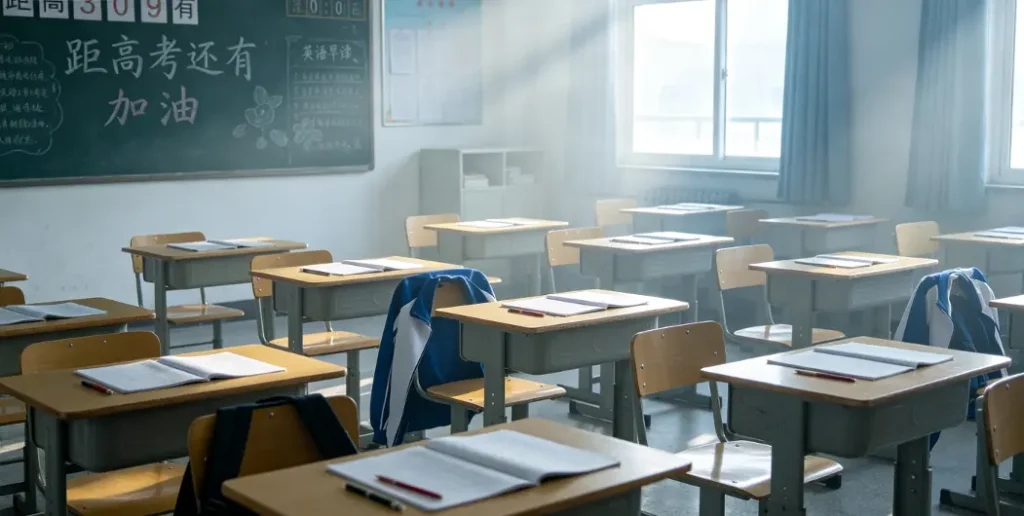
我们花了十二年坐在教室里学习公式、背单词、做试卷,但从来没有一门课教过我们:如何面对朋友的背叛、如何承受至亲的离去、如何在走投无路时做出选择、如何为自己的决定承担后果。陈念和小北的“长大”不是在课堂里完成的,而是在警察局的审讯室里、在废弃工厂的天台上、在彼此替对方顶罪的瞬间里完成的。那些真正让我们“变成大人”的时刻,从来没有出现在课程表上,它们只会以意外、痛苦和别无选择的方式,突然降临在我们面前。
“变成大人”这个过程中被忽略的残酷真相——它不是渐进式的成长,而是一次性的断裂。我们被教育“长大是一个过程”,但陈念和小北的故事却告诉我们:长大往往是在某个瞬间发生的——当你替别人扛下罪名、当你决定撒谎保护另一个人、当你发现“对错”变得模糊而“选择”变得重要时,你就在那个瞬间跨过了少年的边界。陈念的“长大”发生在警察让她指认小北的那一刻——她知道只要说实话就能让自己脱身,但她选择了沉默,选择了用两个人的罪去换一个人的未来。那一刻,她从“被保护的人”变成了“做决定的人”,而那正是“变成大人”的瞬间。
影片中,警察、老师、家长都站在“大人的立场”上试图保护或审判这两个少年,但他们始终无法真正理解陈念和小北之间的那种信任与共谋——那是“成年人”的规则无法解释的。而陈念的这句旁白,恰恰是在说:你们大人从来没有教过我们该怎么活成你们的样子,但我们已经在你们没有看见的地方,变成了自己的大人。 这不是对成年人的控诉,而是一种无奈的陈述——成长这门课,从来都只能靠自己摸黑完成。
我们这一代人被赋予了太多的“标准路径”——好成绩、好大学、好工作——但当我们真正踏入生活时,却发现那些标准答案覆盖不了任何一道真正的难题。职场的潜规则、亲密关系中的责任、面对失败时的自处——这些事没有教科书,没有模拟考,没有人告诉你“做对了就会得分”。而《少年的你》用陈念和小北的故事告诉所有正在“长大”的人:你感觉到孤独和困惑是正常的,因为这门课本来就没有人教过你。 你只能用自己的经历去填补课程表上那片空白,而每一次在黑暗中做出的选择,都会让你离“大人”更近一步——哪怕那个选择并不完美,哪怕你会因此受伤。
陈念坐在教室里,阳光洒在她的课桌上,她翻开课本,看到小北曾经写在扉页上的那句话——“陈念,你保护世界,我保护你。”她变成了大人,但那份少年的约定还在她的身体里。“变成大人”并不意味着要丢弃少年的自己,而是在承担了世界的重量之后,依然记得曾经有人用尽全力保护过你。 这或许就是《少年的你》留给所有观众最深的安慰:即使没有一节课教过你如何变成大人,你依然可以带着少年时的那份爱与痛,走成自己的大人。
We spent twelve years sitting in classrooms learning formulas, memorizing vocabulary, and taking tests, but not a single class ever taught us: how to deal with a friend’s betrayal, how to cope with the loss of a loved one, how to make a choice when we’re backed into a corner, or how to face the consequences of our own decisions. Chen Nian and Xiao Bei didn’t “grow up” in the classroom—they did so in police interrogation rooms, on the rooftop of an abandoned factory, and in the moments when they took the blame for one another. Those moments that truly made us “grow up” never appeared on the school schedule; they only suddenly descended upon us in unexpected, painful, and inescapable ways.
The harsh truth often overlooked in the process of “becoming an adult”—it is not a gradual growth, but a single, abrupt rupture. We’re taught that “growing up is a process,” but the stories of Chen Nian and Xiao Bei tell us otherwise: growing up often happens in a single instant—when you take the blame for someone else, when you decide to lie to protect another person, when you realize that “right and wrong” have become blurred and “choices” have become what matters most—it is in that instant that you cross the threshold from adolescence into adulthood. Chen Nian’s “coming of age” occurred the moment the police asked her to identify Xiao Bei—she knew that telling the truth would set her free, but she chose silence, choosing to trade the guilt of two people for the future of one. In that moment, she transformed from “the one being protected” into “the one making decisions,” and that was precisely the instant she “became an adult.”
In the film, the police, teachers, and parents all take the “adult perspective” in attempting to protect or judge these two teenagers, yet they never truly understand the trust and complicity between Chen Nian and Xiao Bei—something that cannot be explained by “adult” rules. And Chen Nian’s voiceover is precisely this: You adults have never taught us how to live like you, but we’ve already become our own adults in places you cannot see. This isn’t an indictment of adults, but a resigned observation—the lesson of growing up has always been one we must navigate on our own, in the dark.
Our generation has been burdened with too many “standard paths”—good grades, a good college, a good job—but when we truly step into the real world, we discover that those standard answers don’t cover any of the real challenges. The unwritten rules of the workplace, the responsibilities in intimate relationships, and how to cope with failure—there are no textbooks for these things, no practice exams, and no one to tell you, “You’ll get points if you do it right.” Through the story of Chen Nian and Xiao Bei, Better Days tells everyone who is “growing up”: it’s normal to feel lonely and confused, because no one ever taught you this lesson in the first place. You can only fill in that blank space on your schedule with your own experiences, and every choice you make in the dark brings you one step closer to “adulthood”—even if that choice isn’t perfect, even if it leaves you hurt.
Chen Nian sits in the classroom, sunlight streaming onto her desk. She opens her textbook and sees the words Xiao Bei once wrote on the flyleaf: “Chen Nian, you protect the world; I’ll protect you.” ” She had become an adult, but that youthful promise still lived within her. “Becoming an adult” doesn’t mean discarding your younger self; it means that even after shouldering the weight of the world, you still remember that someone once did their absolute best to protect you. This is perhaps the deepest comfort that Better Days offers to all its viewers: even if no class has ever taught you how to become an adult, you can still carry the love and pain of your youth with you as you forge your own path to adulthood.
What do you think?