「成熟した人間とは、自分自身を認識し、自分のできることをやり、自分の楽しめる人生を楽しむことだ。」
中文译文:成熟的人在于认识了自己,从而做自己所能做的事,享受自己所能享受的生活。
English translation: A mature person is someone who understands themselves, does what they can, and enjoys the life they find fulfilling.
哲普(ゼフ)
——日本动画《海贼王》(日文片名:ワンピース)
动画播出时间(Anime release dates)1999年10月20日(日本首播,该台词出现在“海上餐厅篇”相关集数)
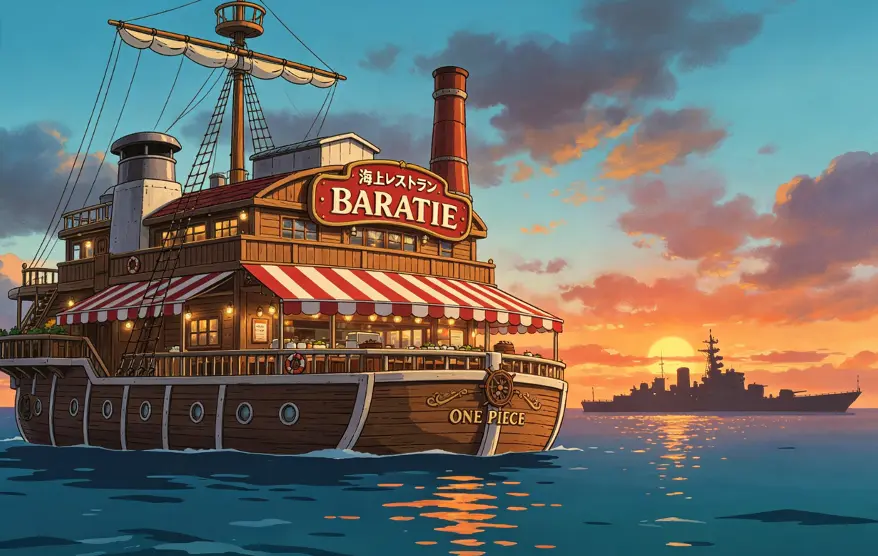
这句话出现在“海上餐厅篇”的结尾,是哲普在送别山治时对他说的一段话。山治从小在客船上当见习厨师,后被哲普收留,在巴拉蒂餐厅度过了少年时期。哲普对山治既严厉又慈爱,他教会山治厨艺,也教会他“厨师的精神”——不浪费食物、不辜负每一个用餐的人。当山治决定跟随路飞去寻找“ALL BLUE”时,哲普没有挽留,而是在送别时说出这句话。他知道山治已经找到了自己真正想做的事,也具备了去实现它的能力,剩下的只是“出发”而已。这句话既是对山治的认可,也是对所有年轻人的忠告:成熟不是变得复杂,而是变得清晰——知道自己是谁,能做什么,然后安安静静地去做。
This line appears at the end of the “Restaurant at Sea” arc and is what Zeff said to Sanji as he bid him farewell. Sanji spent his childhood working as an apprentice chef on a passenger ship before being taken in by Zeff, where he spent his teenage years at the Baratie Restaurant. Zeff was both strict and kind to Sanji; he taught him not only culinary skills but also the “spirit of a chef”—never to waste food and to never let down a single diner. When Sanji decided to follow Luffy in search of “ALL BLUE,” Zeff did not try to stop him, but instead spoke these words as he saw him off. He knew that Sanji had already found what he truly wanted to do and possessed the ability to make it happen; all that remained was to “set out.” These words were both a recognition of Sanji and a piece of advice for all young people: Maturity isn’t about becoming complicated, but about gaining clarity—knowing who you are, what you can do, and then quietly going about doing it.
这句话把“成熟”从一个模糊的成长指标,拆解成了三个可操作的步骤:认识自己、做自己能做的事、享受自己能享受的生活。我们通常把成熟理解为“懂事”“稳重”“不再任性”,但这些定义都停留在行为层面,缺乏内在的锚点。而哲普说:成熟的第一步是认识自己,第二步是基于认识选择行动,第三步是基于行动感受生活。 这三者之间有严格的先后顺序——没有认识自己,就不知道自己能做什么;不知道自己能做什么,就谈不上享受。山治在离开巴拉蒂时,已经完成了“认识自己”这一步——他清楚地知道自己是一个厨师,梦想是找到ALL BLUE,所以他接下来要做的,就是去海上做厨师该做的事,并享受那段旅程。
山治不是盲目地喊着“我要去伟大航路”,而是在巴拉蒂当了多年厨师、积累了大量实战经验之后,才出发的。他对自己的厨艺有信心,对海上的风险有认知,也清楚自己离开意味着什么。哲普的这句话实际上是在确认:你认识自己了,你也能做自己该做的事了,所以你现在出发,是成熟的,而不是冲动的。 这种“成熟”和年龄无关——山治当时只有19岁,但他比许多成年人更清楚自己是谁。
从哲普与山治的关系来看,这句话也是哲普作为“父亲”角色的最终交付。他从山治身上看到了年轻时的自己——一个为了梦想不惜代价的人。但他没有让山治重复自己的路,而是帮他确认:“这就是你想要的生活吗?”当山治点头时,哲普用这句话完成了对山治的“放行”。成熟的教育,不是把孩子留在身边,而是让他带着对自己的认知,去走自己的路。
我们常常被“你应该成为什么样的人”绑架,却很少问自己“我能做什么、我喜欢做什么”。哲普的这句话把注意力从“别人期望你成为的”拉回到“你自己认知的”和“你自己能做到的”。它并不宏大,但它的本质是:如果你真的认识了自己,你就会发现你能做的事其实有限,而那有限的几件事,恰恰是你真正可以享受的。
This statement breaks down “maturity”—an ambiguous measure of personal growth—into three actionable steps: knowing yourself, doing what you can do, and enjoying the life you can enjoy. We usually understand maturity as “being sensible,” “being steady,” or “no longer being willful,” but these definitions remain at the behavioral level and lack an inner anchor. Zhepu, however, says: The first step toward maturity is self-awareness; the second is choosing actions based on that awareness; and the third is experiencing life through those actions. There is a strict sequence among these three—without self-awareness, you won’t know what you’re capable of; and without knowing what you’re capable of, there can be no enjoyment. When Sanji left Baratie, he had already completed the step of “knowing oneself”—he clearly knew he was a chef and that his dream was to find ALL BLUE. So the next thing for him to do was to set sail, do what a chef should do at sea, and enjoy that journey.
Sanji didn’t blindly shout, “I’m going to the Grand Line”; rather, he set out only after working as a chef at Baratie for many years and accumulating a wealth of practical experience. He was confident in his culinary skills, aware of the risks at sea, and understood what his departure meant. Zep’s words were essentially a confirmation: “You know who you are, and you’re ready to do what you’re meant to do. So setting out now is a sign of maturity, not impulsiveness.” This “maturity” has nothing to do with age—Sanji was only 19 at the time, yet he understood who he was better than many adults.
From the perspective of the relationship between Zepo and Sanji, these words also represent Zepo’s final act in his role as a “father.” He saw in Sanji a younger version of himself—someone willing to pay any price for his dreams. But rather than forcing Sanji to repeat his own path, he helped him confirm: “Is this the life you want?” When Sanji nodded, Zepo used these words to give Sanji his “blessing” to set out. Mature parenting isn’t about keeping a child by your side, but about letting them go their own way with a clear understanding of who they are.
We’re often held hostage by the question “What should you become?” yet rarely ask ourselves, “What can I do? What do I enjoy doing?” Zep’s words shift the focus from “what others expect you to be” back to “what you recognize in yourself” and “what you are capable of doing.” It’s not a grand concept, but its essence is this: if you truly know yourself, you’ll discover that what you can do is actually limited—and those few things are precisely what you can truly enjoy.
What do you think?