“望む結末でなかったとしても、すべてが決まる前に、最後まで戦い抜け。”
中文译文:若结局非你所愿,那就在尘埃落定前奋力一搏。
English translation: Even if it’s not the outcome you hoped for, keep fighting until the very end—before everything is decided.夏目贵志(夏目貴志)
——日本动漫《夏目友人帐:缘结空蝉》(日文片名:夏目友人帳 ~うつせみに結ぶ~)
动漫上映时间(Anime release dates)2018年9月29日(日本)
这句话出现在影片中段,夏目遇到一个即将被世界遗忘、正在缓慢消失的妖怪。所有人都告诉他结局已注定、做什么都没用,但夏目依然选择在最后的时光里尽己所能地陪伴它。他并非幻想逆转结局,而是以一种安静的方式表达:结局是否如我所愿,不决定行动的意义;在尘埃落定前是否全力搏过,才决定你是否有遗憾。
This line appears midway through the film, when Natsume encounters a spirit who is slowly fading away, on the verge of being forgotten by the world. Everyone tells him that the outcome is inevitable and that nothing he does will make a difference, but Natsume still chooses to do his best to be there for it during its final moments. He isn’t deluding himself into thinking he can change the outcome; rather, he is quietly expressing this truth: whether the outcome turns out as I wish does not determine the meaning of my actions; it is whether I gave it my all before the dust settles that determines whether I will have regrets.
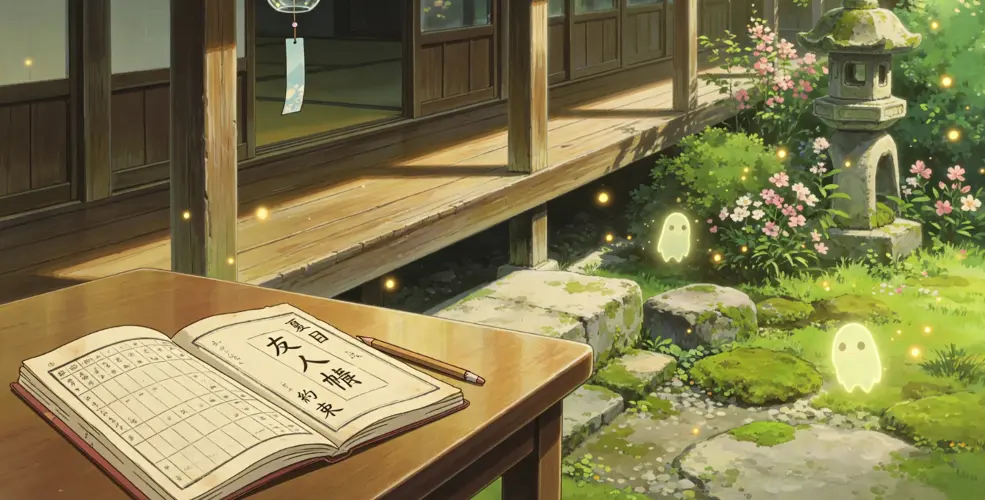
结果导向的思维让我们习惯性地认为“如果注定失败,努力就没有意义”,但夏目提出了相反的立场:你的行动是对你自己生命的交代,而不是对结局的赌注。 他明知妖怪终将消失,依然选择给予它陪伴与记忆——这些不会改写结局,却会在结局到来之前,让彼此拥有过完整的相遇。真正重要的不是“赢”,而是“在结局来临之前,我没有提前离场”。
温柔不是天真,而是明知会失去依然选择付出的勇气。夏目从小经历无数离别,完全有理由封闭自己,但他选择在每一段注定短暂的相遇中全力以赴。他的“奋力一搏”不是热血的反抗,而是一种安静的承诺:我不承诺结局,但我承诺过程。 这种态度让他在每一次告别中,都不留下“我本可以”的遗憾。
我们常因害怕结局不好而选择不开始、不投入、不尽力。但夏目告诉我们:结局是命运的事,行动是你的事。你可以在结局到来之前,选择对得起那个曾经认真对待过一切的自己。尘埃落定之前,你还有时间让一切都值得。
A results-oriented mindset leads us to habitually believe that “if failure is inevitable, there’s no point in trying,” but Natsume takes the opposite stance: your actions are an account of your own life, not a gamble on the outcome. Even though he knew the yokai would eventually vanish, he still chose to offer it companionship and memories—these won’t change the outcome, but they’ll allow them both to have experienced a complete encounter before the end comes. What truly matters is not “winning,” but “not walking away before the end arrives.”
Gentleness is not naivety, but the courage to choose to give even when you know you will lose. Having experienced countless goodbyes since childhood, Natsume had every reason to shut himself off from the world, yet he chose to give his all in every encounter, no matter how fleeting. His “all-out effort” is not a passionate rebellion, but a quiet commitment: I make no promises about the outcome, but I do promise to live fully in the process. This attitude ensures that with every farewell, he leaves behind no regrets of “I could have.”
We often choose not to start, not to commit, and not to try our best out of fear of a bad outcome. But Natsume tells us: The outcome is a matter of fate; taking action is your responsibility. Before the outcome is decided, you can choose to live in a way that honors the version of yourself who once took everything seriously. Before the dust settles, you still have time to make it all worthwhile.
What do you think?