“一个始终不被善待的人,最能识别善良,也最珍惜善良。”
English translation:“A person who has never been treated well is best able to recognize kindness and cherish it the most.”萧穗子(Xiao Suizi)
——中国电影《芳华》(Chinese Film: Youth)
电影上映时间(Film release dates)2017年12月15日
这句话出现在影片中段,是何小萍在文工团被众人排挤、嘲笑、孤立之后,唯一对她释放善意的人——刘峰——被下放伐木连时,旁白缓缓道出的句子。何小萍出身不好,父亲劳改,母亲改嫁,继父家对她冷漠苛刻。进入文工团后,她依然是一个被嫌弃的人:身上有汗味被嫌弃、穿别人的军装被嘲笑、跳舞时被男舞伴推开。而刘峰是文工团里公认的“活雷锋”,他帮所有人修表、做饭、扛行李,却唯独在所有人都嫌弃何小萍时,主动陪她练舞,成为她生命里唯一的光。这句话既是旁白对何小萍处境的总结,也是对整个时代中“好人”与“被遗弃者”之间微妙关系的揭示。
This line appears in the middle of the film, after He Xiaoping—ridiculed, ostracized, and isolated by her comrades in the art troupe—is left alone when the only person who ever showed her kindness, Liu Feng, is sent down to a logging company for “moral misconduct.” The narrator’s voice softly delivers this line as a reflection on He Xiaoping’s life. He Xiaoping grew up in a difficult family: her father was sent to reform-through-labor, her mother remarried, and her stepfather’s family treated her with cold indifference. Even after joining the art troupe, she remained an outcast—teased for smelling of sweat, mocked for wearing someone else’s military uniform, and pushed away by male dance partners. Liu Feng, the troupe’s universally recognized “model soldier” who helped everyone fix watches, cook meals, and carry luggage, was the only one who took the initiative to dance with her when everyone else shunned her—becoming the single ray of light in her life. This line serves both as a summation of He Xiaoping’s circumstances and as a revelation of the delicate bond between the “good” and the “abandoned” in that era.
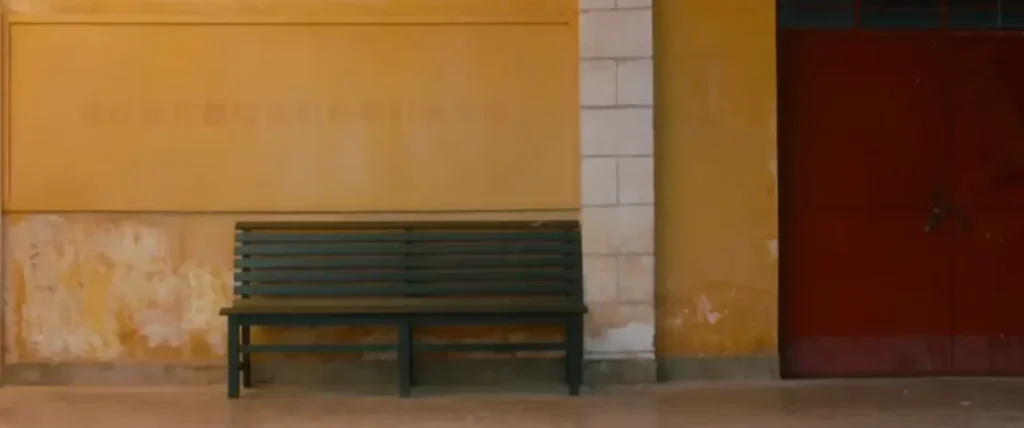
人们通常以为善良来自丰足、来自被爱、来自安全感,但这句话却指出了一个相反的真相:善良的识别能力,往往来自匮乏和创伤。何小萍从未被善待过,所以她比任何人都更能辨认出刘峰那些微小善意里的重量——那不是“活雷锋”的例行公事,而是他唯独给她的那一点点温度。在文工团里,刘峰帮过所有人,但只有何小萍真正“看见”了他。因为只有被伤过的人,才知道“不伤你”这三个字有多重。
最需要善良的人,往往最珍惜善良;而最珍惜善良的人,又往往最容易被善良所伤。何小萍珍惜刘峰,是因为他是唯一没有嫌弃她的人。但这份珍惜伴随着更大的代价——当刘峰被批斗、被下放时,何小萍是整个文工团里唯一没有落井下石的人,但她也没有能力改变他的命运。她的“珍惜”是沉默的、隐忍的、无力的,而这恰恰放大了故事的悲剧性:一个不被善待的人,认得出善良,却保护不了善良。
从性别与权力的角度看,这句话也暗含着严歌苓对集体主义年代“好人叙事”的深刻反思。刘峰是集体塑造的“英雄符号”,但他的善良服务于体制的需要,他不敢爱、不会拒绝、永远笑着承受一切。而何小萍是体制外的“异物”,她的敏感、她的边缘、她的执拗,反而让她保持了某种清醒。旁白说“她是最珍惜善良的人”,但这份珍惜并没有让她获得幸福——她在目睹刘峰被侮辱之后精神崩溃,在医院里独自起舞,那段独舞是整部电影最震撼的画面之一。善良没有被善待,才是《芳华》最深沉的控诉。
在当代,在一个越来越浮躁、越来越冷漠的社会里,那些被生活碾压过的人,往往反而对一丝温暖保持着近乎虔诚的敏感。送外卖的骑手对一句“辛苦了”的回应、留守儿童对老师一颗糖的珍惜、孤独老人对邻居一声问候的反复回味——何小萍不是特例,她是无数个在夹缝中活着、却依然能辨认出光的人。他们珍惜的不仅是善良本身,更是善良所证明的那件事:这个世界还没有完全放弃他们。
People usually assume that kindness stems from abundance, from being loved, and from a sense of security, but this statement points to the opposite truth: the ability to recognize kindness often arises from deprivation and trauma. He Xiaoping had never been treated kindly, so she was better able than anyone else to discern the weight behind Liu Feng’s subtle acts of kindness—those weren’t just the routine gestures of a “living Lei Feng,” but rather that tiny bit of warmth he reserved exclusively for her. In the cultural troupe, Liu Feng helped everyone, but only He Xiaoping truly “saw” him. Because only those who have been hurt know just how much weight the words “I won’t hurt you” carry.
Those who need kindness the most often cherish it the most; yet those who cherish it the most are often the most easily hurt by it. He Xiaoping cherished Liu Feng because he was the only one who never looked down on her. But this cherishing came at a greater cost—when Liu Feng was subjected to public criticism and sent down to the countryside, He Xiaoping was the only person in the entire cultural troupe who did not kick him while he was down, yet she was powerless to change his fate. Her “cherishing” was silent, restrained, and powerless, and this precisely amplified the tragedy of the story: a person who had not been treated well could recognize kindness, yet could not protect it.
From the perspective of gender and power, this line also implies Yan Geling’s profound reflection on the “narrative of the good person” during the era of collectivism. Liu Feng is a “heroic symbol” shaped by the collective, but his kindness serves the needs of the system; he dares not love, cannot refuse, and endures everything with a perpetual smile. He Xiaoping, on the other hand, is an “outsider” outside the system; her sensitivity, her marginalization, and her stubbornness actually allow her to maintain a certain clarity of mind. The narrator says, “She is the one who cherishes kindness the most,” but this cherishing did not bring her happiness—after witnessing Liu Feng’s humiliation, she suffered a mental breakdown and danced alone in the hospital; that solo dance is one of the most powerful scenes in the entire film. The fact that kindness is not treated kindly is the deepest indictment of Youth.
In today’s increasingly restless and indifferent society, those who have been crushed by life often retain an almost reverent sensitivity to even the slightest warmth. A food delivery rider’s response to a simple “Thank you for your hard work,” a left-behind child’s cherishing of a piece of candy from a teacher, or a lonely elderly person’s lingering appreciation for a neighbor’s greeting—He Xiaoping is not an exception; she represents the countless people living in the cracks of society who still manage to recognize the light. What they cherish is not only kindness itself, but also what that kindness proves: that the world has not yet completely abandoned them.
What do you think?