“幸福不是故事,不幸才是。”
English translation: Happiness isn’t a story; unhappiness is.
林见清(Lin Jianqing)
——中国电影《后来的我们》(Chinese Film: Us and Them)
电影上映时间(Film release dates)2018年4月28日(中国内地)
这句话出现在影片的中后段,是林见清在多年后回忆与方小晓的感情时,一段内心独白中的核心句子。两人在北京相识相爱,挤在出租屋里吃泡面、卖光盘、跑保险,经历了分手、重逢、又分开的漫长十年。影片采用双线叙事:一条是2007年两人相爱时的回忆,一条是2017年两人在飞机上重逢后的对话。当林见清在回忆中看着当年那个在雪地里跟自己一起奔跑的方小晓时,旁白缓缓道出这句话。它解释了为什么我们总是对“遗憾”念念不忘——因为那些平淡安稳的日子,往往在发生时没有任何“故事感”,而只有失去、错过、痛苦,才会在记忆中被打磨成可以被反复讲述的故事。林见清和方小晓之间的“幸福”其实存在过——在出租屋的泡面里、在地铁口的拥抱里、在无数个平凡的夜晚里——但那些时刻从未被当作“故事”来铭记,直到它们变成了“不幸”,才获得了被讲述的资格。
This line appears in the middle to latter part of the film and serves as the central sentence in an inner monologue by Lin Jianqing as he reflects on his relationship with Fang Xiaoxiao many years later. The two met and fell in love in Beijing, where they lived in a cramped rental apartment, eating instant noodles, selling DVDs, and working in insurance, enduring a long decade marked by breakups, reunions, and yet another separation. The film employs a dual narrative structure: one track consists of flashbacks to 2007, when the two were in love, and the other follows their conversation after reuniting on a plane in 2017. As Lin Jianqing looks back in his memories at Fang Xiaoxiao running alongside him in the snow all those years ago, the voiceover slowly utters this line. It explains why we are always haunted by “regret”—because those ordinary, stable days often lack any sense of “story” while they’re happening; only loss, missed opportunities, and pain are polished in our memories into stories worth retelling time and again. The “happiness” between Lin Jianqing and Fang Xiaoxiao did, in fact, exist—in the instant noodles they shared in their rented apartment, in the hugs at the subway entrance, and in countless ordinary nights—but those moments were never remembered as “stories.” It wasn’t until they turned into “misfortune” that they earned the right to be told.
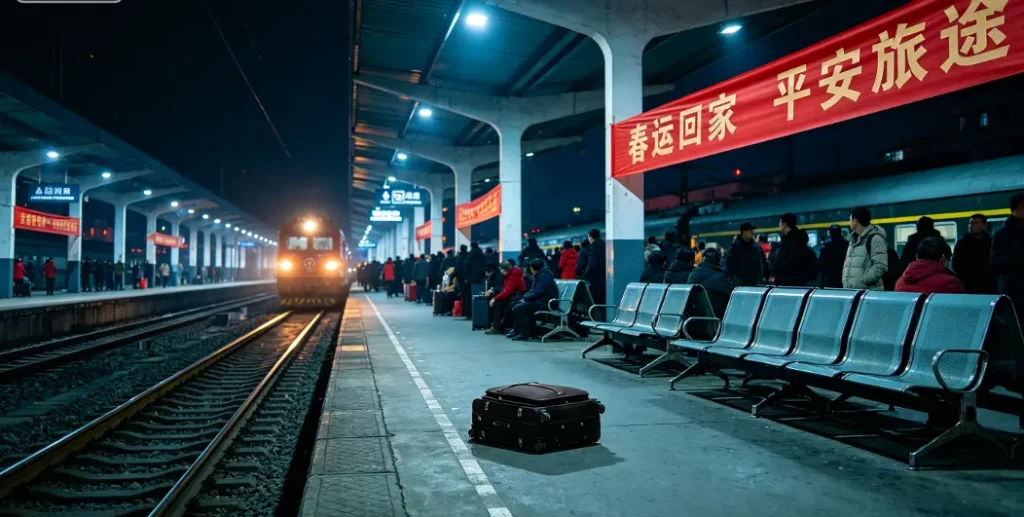
人类的大脑天然偏爱冲突与落差,平淡的幸福不具备被记住的纹理。我们常常说“幸福的时光总是短暂的”,但事实上幸福时光往往并不短暂——它只是太顺滑、太无波澜,以至于在回忆中被压缩成了一帧静止的画面,而“不幸”却因为充满了转折、痛苦和未完成的遗憾,天然地具备了被反复讲述的戏剧性。林见清和方小晓在一起时那些温暖的日子——两人分一碗泡面、在雪地里互相取暖——当时并没有被当作“故事”来体验,直到他们分开之后,那些日子才变成了一种可以被反复咀嚼的“不幸的注脚”。
所有的故事都需要一个“冲突”才能成立——没有意外就没有情节,没有失去就没有高潮,没有遗憾就没有结尾。而“幸福”恰恰是冲突的反面——它是冲突的休止符,是故事的终点,而不是故事本身。这也解释了为什么文学和电影里几乎所有的经典爱情都是悲剧:罗密欧与朱丽叶、泰坦尼克号、甚至《后来的我们》本身——因为只有“没有得到”或者“得到后又失去”,才能编织出一个值得被讲述的故事。而现实中那些白头偕老、平淡一生的伴侣,他们的“幸福”从来不会被写成故事,因为故事需要断裂,而幸福追求的是连续。
林见清和方小晓的十年,如果用一个词来概括,就是“错过”:她想要稳定的时候他还在沉迷游戏,他成功了想要回头的时候她早已走远。这种“时差”创造了整部电影所有的戏剧张力。而影片最后,林见清的父亲在信中说“缘分这事,能不负对方就好”——这句话与“幸福不是故事,不幸才是”形成了温柔的对抗:如果一定要成为一个故事,那么成为一个关于“曾经真心爱过”的故事,也不算太坏。 虽然他们的“幸福”没能变成完整的故事,但他们之间的“不幸”至少证明了那些幸福真实地存在过。
我们总是在分享“幸福”的照片——旅行、美食、聚会——但那些真正让我们产生深刻连接的,却往往是我们在深夜向朋友倾诉的“不幸”。人们在评论区里安慰你、理解你、共情你,却很少因为一张“岁月静好”的照片而产生真正的共鸣。因为幸福是私人的、不可分享的体验;而不幸才是公共的、可以被反复讲述的文本。 《后来的我们》用这句话提醒我们:不必因为自己的生活没有“故事感”而焦虑——平淡本身就已经是一种值得庆幸的状态。那些没有被讲述的日子,恰恰是你避开了一切冲突的日子,而这本身就是一种隐蔽的幸运。
他没有追上去,没有再说“如果”——他只是站在原地,看着她的背影消失在人海里。那一刻他终于明白:他们之间的“故事”已经写完了,而那个故事之所以值得被记住,恰恰是因为它没有走向圆满的结局。幸福不是故事,不幸才是——但正因为不幸才是故事,那些幸福才在故事之外的地方,永远地活了下来。
The human brain has a natural affinity for conflict and contrast; uneventful happiness lacks the texture needed to be remembered. We often say, “Happy times are always fleeting,” but in reality, happy times are rarely fleeting—they’re simply too smooth and uneventful, so much so that in our memories they’re compressed into a single still frame. “Misfortune,” on the other hand, is naturally imbued with the drama that makes it worth retelling, precisely because it’s filled with twists, pain, and unresolved regrets. Those warm days Lin Jianqing and Fang Xiaoxiao spent together—sharing a bowl of instant noodles, keeping each other warm in the snow—were not experienced as a “story” at the time. It wasn’t until after they parted ways that those days became a kind of “footnote to misfortune” that could be savored over and over again.
Every story requires a “conflict” to hold together—without surprises, there is no plot; without loss, there is no climax; without regret, there is no ending. And “happiness” is precisely the opposite of conflict—it is the resting point of conflict, the endpoint of the story, rather than the story itself. This also explains why almost all classic love stories in literature and film are tragedies: Romeo and Juliet, Titanic, and even Later, Us itself—because only “not getting what one wants” or “getting it only to lose it” can weave a story worth telling. In reality, however, the “happiness” of those couples who grow old together and lead uneventful lives is never written into a story, because stories require a rupture, while happiness seeks continuity.
If Lin Jianqing and Fang Xiaoxiao’s decade together were to be summed up in one word, it would be “missed opportunities”: when she wanted stability, he was still obsessed with video games; by the time he had succeeded and wanted to turn back, she had long since moved on. This “time lag” creates all the dramatic tension in the film. At the end of the film, Lin Jianqing’s father writes in a letter, “When it comes to fate, as long as you don’t let the other person down, that’s enough”—this statement forms a gentle counterpoint to the idea that “happiness isn’t a story; unhappiness is”: if it must become a story, then becoming a story about “having once loved sincerely” isn’t so bad after all. Although their “happiness” didn’t become a complete story, the “unhappiness” between them at least proves that that happiness truly existed.
We’re always sharing photos of “happiness”—travel, food, parties—but what truly creates deep connections are often the “misfortunes” we confide to friends late at night. People comfort you, understand you, and empathize with you in the comments section, yet they rarely find true resonance in a photo that simply shows “peaceful days.” Because happiness is a private, unshareable experience; misfortune, on the other hand, is a public narrative that can be retold time and again. So Young reminds us with this line: there’s no need to feel anxious because your life lacks a “sense of drama”—ordinariness itself is already a state worth celebrating. Those days that go untold are precisely the days you’ve managed to avoid all conflict, and that in itself is a hidden form of luck.
He didn’t run after her, nor did he utter another “if”—he simply stood there, watching her figure disappear into the crowd. In that moment, he finally understood: the “story” between them had come to an end, and the very reason that story was worth remembering was precisely because it didn’t have a happy ending. Happiness isn’t a story; misfortune is—but precisely because misfortune is a story, those moments of happiness have survived forever, existing beyond the narrative.
What do you think?